When people think of European culinary destinations, countries like France, Italy, or Spain often steal the spotlight. For decades, Dutch cuisine was unfairly stereotyped as overly simplistic, revolving almost entirely around potatoes, bread, and basic root vegetables. However, anyone who takes the time to truly explore the culinary landscape of the Netherlands will discover a rich, deeply comforting, and fascinating gastronomic heritage.
Dutch food culture is a direct reflection of the country’s history. It is shaped by its maritime geography, its agricultural prowess, and its golden age of global trade. Which introduced exotic spices like nutmeg, cinnamon, and cloves into everyday household cooking. Today, the traditional food of the Netherlands focuses on hearty, honest flavors. Exceptional dairy craftsmanship, and a delightful street food culture. This article takes you on a flavorful journey through the must-try traditional delicacies of Dutch cuisine.
Hearty Comfort Foods: The Soul of the Dutch Dinner Table
The traditional Dutch dinner is designed to combat the chilly, windy North Sea climate. These dishes are structural, warming, and deeply satisfying.
Stamppot: The Ultimate Winter Classic
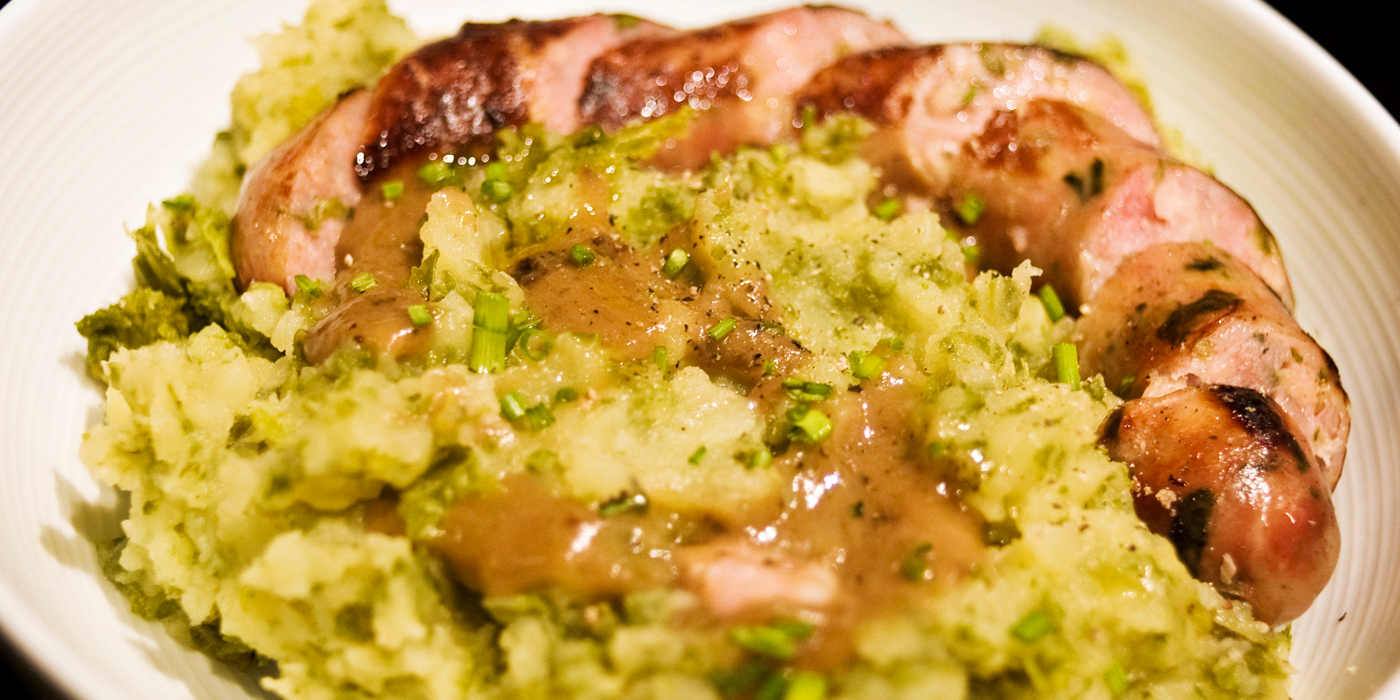
If the Netherlands had a national dish, it would undoubtedly be Stamppot. This ancient comfort food consists of mashed potatoes mixed with one or several vegetables. The most popular variations include Boerenkool (masled potatoes with kale) and Hutspot (mashed potatoes with carrots and onions). Stamppot is traditionally served piping hot with a large, juicy Rookworst (smoked Dutch sausage) placed on top and a deep well dug into the center of the potatoes to hold rich, savory gravy.
Erwtensoep: Snert for the Soul
Another cornerstone of winter survival in the Netherlands is Erwtensoep, affectionately known by locals as Snert. This is a remarkably thick pea soup made from split peas, pork belly, celeriac, leeks, and sliced smoked sausage. True Snert is never served thin or watery; it is cooked slowly until it achieves a porridge-like consistency. In fact, tradition dictates that a proper Dutch pea soup is only ready if a spoon can stand completely upright in the center of the pot.
Street Food and Deep-Fried Treasures
The Dutch have mastered the art of casual, on-the-go eating. The streets of cities like Amsterdam and Utrecht are filled with specialized food stalls and historic vendors serving iconic snacks.
Raw Herring (Haring)
For the adventurous foodie, trying Haring is a mandatory rite of passage. Caught in the North Sea, the fish is immediately frozen, cured in brine, and served raw. The traditional way to consume it—known as the Haringhappen. Involves grabbing the fish by its tail, tilting your head backward, and lowering it into your mouth. It is typically served with finely chopped raw onions and gherkins to balance the rich, oily texture of the fish.
Bitterballen and Kroketten
If raw fish sounds daunting, the Dutch deep-fried snack culture offers immediate solace. Bitterballen are small, round, savory meat ragout balls coated in crunchy breadcrumbs and deep-fried to golden perfection. They are the ultimate pub snack, universally ordered alongside local beers and served with a side of sharp mustard. A larger, cylindrical version of this snack is the Kroket, which is frequently eaten tucked inside a soft white bread roll as a lunchtime sandwich.
The Sweet Side of the Netherlands
No exploration of Dutch cuisine is complete without acknowledging the country’s incredible sweet tooth. Dutch bakeries are legendary for their ability to turn simple ingredients into irresistible treats.
Stroopwafels: A Global Phenomenon
The Stroopwafel is arguably the most famous Dutch culinary export. Originating in the city of Gouda in the late eighteenth century, it consists of two paper-thin, checkered waffle layers held together by a warm, sticky center of spiced caramel syrup. The authentic way to enjoy a Stroopwafel is to place it flat over the top of a hot cup of coffee or tea. The steam from the beverage melts the internal caramel, turning the waffle soft, chewy, and intensely fragrant.
Poffertjes: Fluffy Clouds of Joy
Often found at outdoor markets and seasonal festivals, Poffertjes are tiny, yeast-risen pancakes baked in a specialized cast-iron pan with shallow indentations. They are much fluffier and lighter than standard pancakes. Poffertjes are served fresh off the grill, piled high on a plate, and topped generously with a massive dollop of real butter and a thick snowstorm of powdered sugar.
Conclusion
Dutch cuisine is a celebration of unpretentious, high-quality comfort. It is a culinary tradition that does not hide behind overly complicated techniques, choosing instead to let fresh, local ingredients and time-honored methods tell the story. From the warm, communal ritual of sharing Bitterballen at a local cafe to the sweet comfort of a freshly steamed Stroopwafel, the food of the Netherlands offers an authentic taste of European history and hospitality.
When you look past the modern international restaurants of the Netherlands, you find a traditional food culture that is warm, welcoming, and deeply satisfying—proving that Dutch gastronomy is absolutely a journey worth taking.