The tyranny of the weeknight dinner decision is a familiar stressor for modern households. After a long day of work, school, and commuting, the thought of executing a complex recipe can feel exhausting, often leading to the default of expensive, less-healthy takeout. However, achieving delicious, satisfying, and nourishing dinners doesn’t require a culinary degree or hours of dedicated time. The secret lies in moving away from one-off recipes toward adaptable, easy meal concepts that emphasize efficiency, batch prep, and simple flavor strategies.
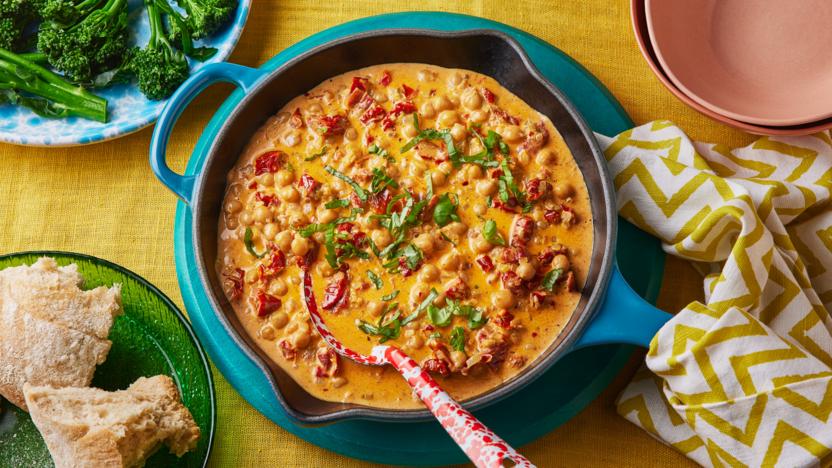
This article is your guide to transforming the weeknight dinner dilemma into a smooth, enjoyable process. By focusing on smart, repeatable structures rather than rigid recipes, you can unlock a world of flexibility, flavor, and sustained healthy eating, making home cooking the most appealing option every night.
Phase I: The Strategy Shift—Mastering the Meal Concept
A meal concept is a flexible framework that can be filled with whatever ingredients you have on hand, dramatically reducing decision fatigue and food waste.
1. The “Bowl” Concept (Protein + Base + Veg + Sauce)
The “bowl” has revolutionized quick weeknight meals because it allows for endless customization and repurposing of leftovers.
- Base: Start with a grain or complex carb (rice, quinoa, sweet potato, farro). Batch-cook this on Sunday.
- Protein: Add a quick-cooking protein (grilled chicken, canned black beans, hard-boiled eggs, seared tofu).
- Vegetables: Layer in raw, roasted, or quickly sautéed vegetables (spinach, avocado, roasted broccoli).
- Sauce: This is the flavor differentiator. A simple sauce (like peanut dressing, pesto, or a quick vinaigrette) binds the entire bowl together.
- Example: Tofu (Protein) + Quinoa (Base) + Steamed Kale & Avocado (Veg) + Ginger-Soy Dressing (Sauce) = A nutritious Asian-inspired meal in minutes.
2. The “Sheet Pan” Concept (Protein + Veg + Fat + Heat)
The sheet pan meal is the epitome of efficiency, as cleanup involves nothing more than discarding a piece of parchment paper.
- Concept: Toss your protein and your chosen, hearty vegetables (potatoes, carrots, broccoli, squash) with oil, salt, and spices directly on a baking sheet.
- Benefit: Everything cooks simultaneously, and the intense, dry heat of the oven caramelizes the vegetables and crisps the protein, maximizing flavor with minimal effort.
Phase II: Foundational Recipes for Weeknight Success
While concepts provide the structure, certain foundational recipes serve as essential anchors that can be adapted throughout the week.
1. The Universal Sauce: The Power of Pesto
A homemade pesto (or buying a quality store-bought one) is a secret weapon. It takes minutes to make and can transform boring ingredients instantly.
- Beyond Pasta: Use pesto as a base for pizza, spread it on sandwiches, mix it with Greek yogurt for a veggie dip, or use it to marinate chicken or fish before grilling. One recipe provides five days of flavor variety.
2. The Quick Protein: Simple Shredded Chicken
Cooking a large batch of simple shredded chicken (either in a slow cooker or instant pot) on the weekend provides an essential building block for quick meals.
- Adaptability: Use the shredded chicken for tacos on Monday, mix it with BBQ sauce for sliders on Tuesday, combine it with curry powder and mayonnaise for a quick sandwich filling on Wednesday, or toss it into a bowl with pre-cooked rice and vegetables on Thursday.
3. The Savory Staple: Versatile Vinaigrette
A simple vinaigrette (oil, vinegar, Dijon mustard, and salt) made in a large batch can be used to dress salads, tenderize chicken, or drizzle over roasted vegetables to brighten the flavor before serving. Having it ready in the fridge eliminates the need for heavy, high-sugar store-bought dressings.
Phase III: Optimizing the Process for Energy Conservation
Successful weeknight dinners are often less about cooking talent and more about effective management of time and energy.
1. The Sunday Prep Hour
Dedicate just one hour on Sunday to preparatory tasks that pay dividends all week:
- Chop Aromatics: Dice onions, garlic, and peppers and store them in airtight containers.
- Wash and Chop Greens: Wash lettuce, kale, and broccoli.
- Batch Cook Grains: Cook enough rice, quinoa, or lentils to last for three meals.
2. The “Semi-Homemade” Advantage
Don’t be a hero. Utilize quality shortcuts to save time without sacrificing health or flavor.
- Smart Shortcuts: Use pre-cut vegetables (like mirepoix or stir-fry mixes), canned beans (rinsed well), frozen pre-portioned fish fillets, and store-bought whole-wheat tortillas or pita bread. Combining these shortcuts with homemade sauces and fresh spices maintains quality while dramatically reducing cooking time.
3. The FIFO Rule (First In, First Out)
Plan your week’s meals based on ingredient shelf life. Cook meals using perishable ingredients (fresh fish, delicate greens) early in the week and use sturdier ingredients (root vegetables, frozen meat) later. This proactive strategy minimizes food waste and streamlines the shopping list.
Conclusion: Dinner is Solved
The pursuit of great weeknight dinners is less about mastering complicated recipes and more about mastering efficiency and adaptability. By shifting your thinking toward flexible meal concepts like the “Bowl” and the “Sheet Pan,” leaning on foundational, versatile recipes like pesto and shredded chicken, and dedicating a short amount of time to prep, you can remove the stress from the daily dinner decision. This approach conserves energy, ensures balanced nutrition, and makes the act of cooking an enjoyable, sustainable part of a healthier life.
Would you like a step-by-step guide on how to create five different “bowl” variations using a single batch of shredded chicken?