When we think of dining, our minds typically picture the chef, the waiter, or the restaurant’s ambiance. Rarely do we consider the complex, multi-billion-dollar apparatus that makes the entire experience possible: the food service company. These businesses are the unseen engines of the global culinary world, bridging the gap between producers and consumers in institutions ranging from five-star restaurants and corporate cafeterias to hospitals and universities. Understanding the scope and function of these companies is key to appreciating the vast ecosystem of modern dining.
Defining the Landscape: What is a Food Service Company?
A food service company, often referred to as a food distributor or contract caterer, operates primarily in the Business-to-Business (B2B) sector. They do not typically sell directly to the end consumer but rather provide the essential infrastructure, logistics, and often the labor needed for other organizations to feed their patrons, employees, or residents.
The industry is broadly segmented into two main types:
- Distribution Companies: These giants focus on the supply chain. They purchase, store, and deliver a massive variety of products—from fresh produce and frozen meats to paper goods, cleaning supplies, and kitchen equipment—to their clients. Their value lies in economies of scale, offering centralized purchasing power and sophisticated cold-chain logistics that individual restaurants cannot match.
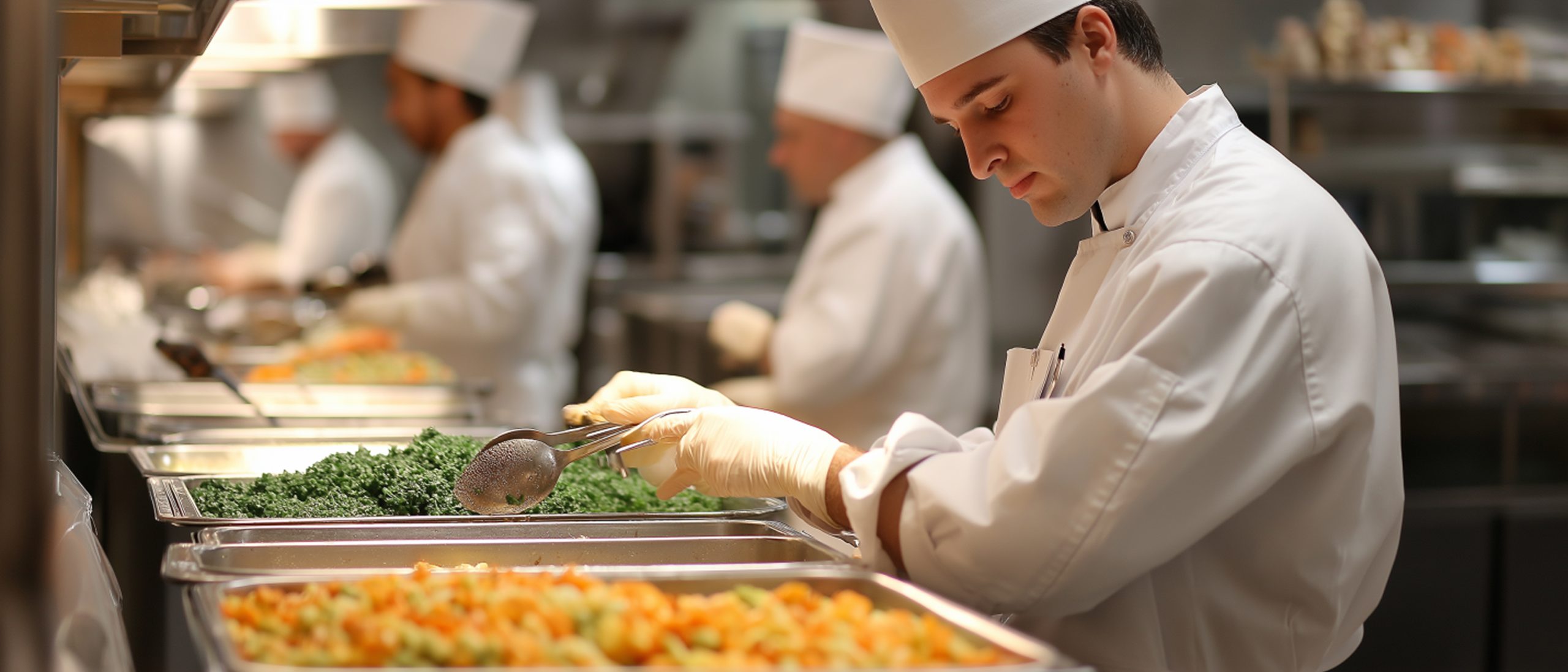
- Contract Catering/Management Companies: These firms take over the entire operational food service for an institution. They manage the menu planning, staffing (chefs, managers, and service workers), food preparation, and waste management. Their clients are typically non-commercial entities, such as schools, corporate headquarters, sports venues, and healthcare facilities.
The Critical Role of Distribution: Logistics and Consistency
Food service distribution is a masterclass in logistics. Distributors operate vast networks of warehouses, often with multiple temperature zones to handle everything from ice cream to fresh vegetables. Their primary function is ensuring product availability and consistency.
A restaurant depends entirely on its distributor to receive the correct ingredients, in the right quantities, at the scheduled time. A delay in a delivery of key ingredients can shut down a kitchen. Therefore, distributors invest heavily in technology for inventory management, route optimization, and tracking. The modern distribution model also plays a crucial role in maintaining food safety by guaranteeing the integrity of the cold chain, ensuring perishable items never enter the “Temperature Danger Zone” during transport and storage.
The distributor often acts as a consultant to its clients, providing data on pricing trends, suggesting alternative products during shortages, and advising on inventory control systems. For the average restaurant owner, partnering with a strong distributor means less time worrying about sourcing and more time focusing on cooking.
Contract Catering: The Business of Feeding Institutions
Contract catering companies manage massive feeding operations where food is a necessity, not a luxury dining choice. Their scale is enormous; many serve hundreds of thousands, or even millions, of meals daily across various sectors:
- Corporate Dining: Creating appealing, diverse, and often subsidized meals to boost employee morale and productivity. The modern trend is moving toward gourmet, customizable options rather than standard cafeteria fare.
- Healthcare: Balancing strict dietary requirements and nutritional mandates with the challenge of producing palatable and comforting food for patients. This sector requires specialized knowledge of therapeutic diets.
- Education: Providing nutritious meals to students in compliance with government regulations while often operating under tight budgetary constraints.
- Sports & Entertainment: Managing concessions and premium catering for high-volume, event-based dining at stadiums and arenas.
These companies excel at standardization and efficiency. They develop menus and recipes that can be scaled for mass production while maintaining quality control. Their ability to manage large workforces and navigate complex labor laws makes them indispensable to large institutions that prefer to outsource non-core operations.
Market Trends and Challenges in the Industry
The food service industry is constantly evolving, driven by consumer demands and technological advancements:
- Sustainability and Sourcing: There is increasing pressure on food service companies to adopt sustainable practices, including reducing food waste, sourcing local or ethically raised products, and providing plant-based alternatives.
- Technology Integration: Software is streamlining everything from ordering (via online portals and mobile apps) to kitchen operations (using AI for demand forecasting to reduce spoilage).
- Labor Challenges: Attracting and retaining qualified kitchen and service staff remains a major hurdle. Contract caterers, in particular, must be innovative in their human resources management.
- Supply Chain Resilience: Recent global events have highlighted the fragility of the supply chain. Companies are now focusing on diversifying their supplier base and holding more safety stock to withstand disruptions.
Conclusion
Food service companies are the quiet backbone of the hospitality industry. They transform raw products into reliable, safe, and efficiently delivered meals that sustain millions of people every day, whether in a white-tablecloth restaurant or a university dormitory. Their expertise in logistics, purchasing power, and operational management allows chefs to focus on artistry and institutions to focus on their core missions. As consumer tastes continue to evolve toward healthier, more sustainable, and diverse options, these companies will continue to innovate, ensuring that the critical function of feeding the world remains robust and reliable.