Asian cuisine is not a single entity, but a vast, vibrant, and complex tapestry woven from thousands of years of history, diverse geography, and rich cultural tradition. Spanning from the bustling street markets of Southeast Asia to the tranquil kitchens of Japan and the fiery woks of China, this culinary landscape offers a richness and diversity of flavors, techniques, and ingredients unparalleled anywhere else in the world. To explore Asian food is to embark on a journey that engages all five senses. Often revealing a profound philosophy of balance, health, and harmony.
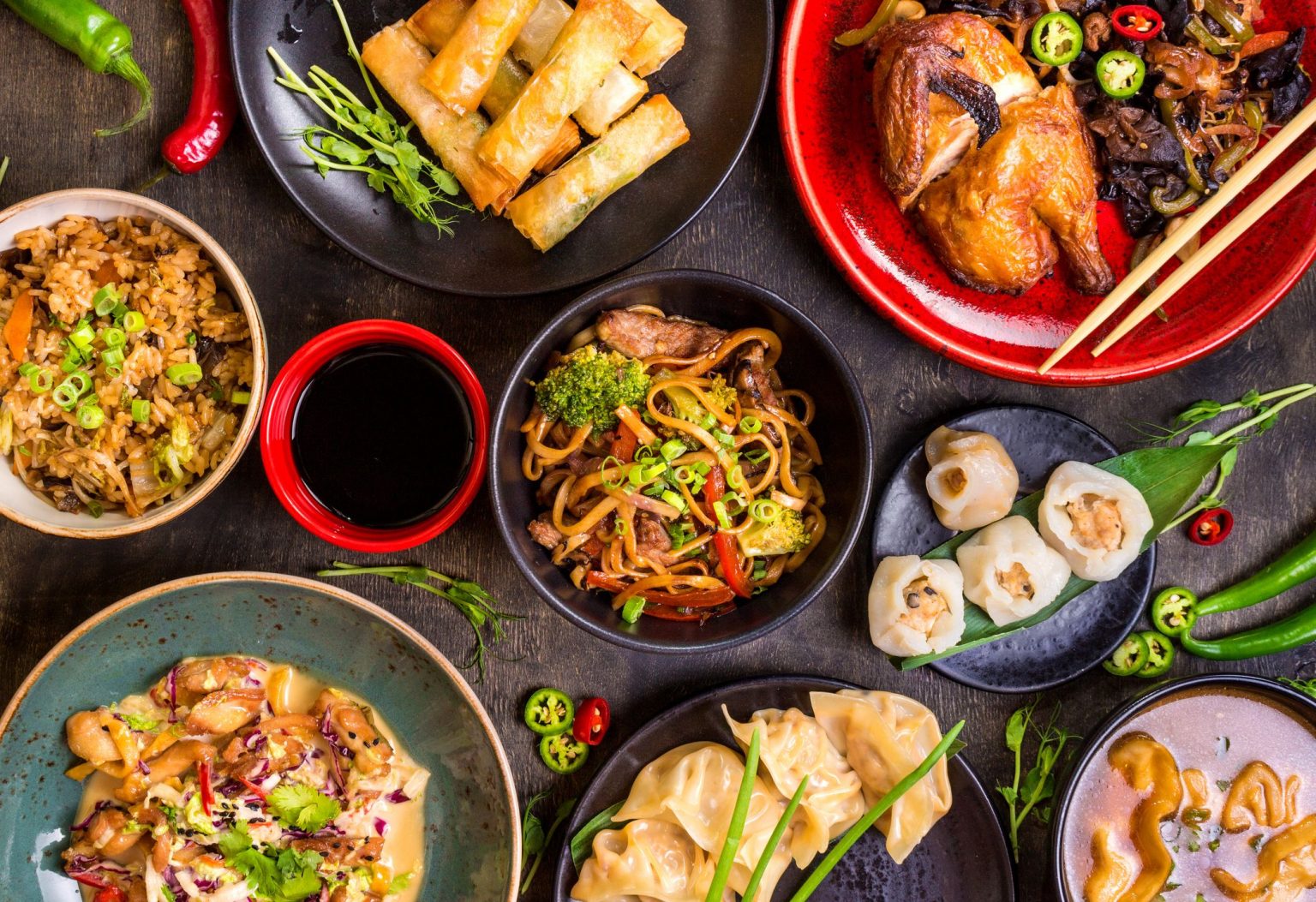
The true genius of Asian cooking lies in its deep understanding of flavor profiles and its ability to transform simple, often locally-sourced ingredients into extraordinary sensory experiences. It’s a cuisine defined by contrasts—sweet and sour, salty and spicy, soft and crunchy—achieving a dynamic equilibrium that is universally appealing yet deeply rooted in regional identity.
The Philosophy of Balance: Achieving Harmony on the Palate
While European cooking often focuses on a few dominant flavors, much of Asian cuisine is dedicated to achieving umami (the fifth taste) and a perfect balance of the five fundamental flavors: sweet, sour, salty, bitter, and spicy.
1. The Southeast Asian Symphony (Thailand & Vietnam)
Cuisines like Thai and Vietnamese are masters of this dynamic balance. A single dish, such as a Thai Green Curry or a Vietnamese Pho, is meticulously constructed to hit every note:
- Sourness: Derived from lime juice, tamarind, or vinegar.
- Saltiness: From fish sauce (a foundational ingredient) or soy sauce.
- Sweetness: From palm sugar or cane sugar.
- Spiciness: From fresh chilies (like bird’s eye chilies).
This constant interplay ensures the palate is continually stimulated, preventing flavor fatigue and creating deeply satisfying meals.
2. The Umami Anchor (Japan & Korea)
In Northeast Asia, the focus often shifts toward harnessing the deep, savory flavor of umami.
- Japanese Cuisine: Utilizes ingredients like dashi (a stock made from kombu seaweed and bonito flakes), miso, and soy sauce to give dishes like ramen and sushi their characteristic depth. This cuisine prioritizes subtle, pure flavors and presentation.
- Korean Cuisine: Relies heavily on fermentation, primarily through gochujang (fermented chili paste) and doenjang (fermented soybean paste). This fermentation process breaks down proteins, releasing complex amino acids that define the rich, layered umami of dishes like kimchi jjigae and Korean BBQ marinades.
Techniques and Texture: Mastering the Wok and the Knife
The tools and methods employed in Asian kitchens are as varied as the ingredients, with specific techniques developed to maximize the unique properties of rice, noodles, and vegetables.
1. The Fiery Wok (Chinese Stir-Frying)
The Chinese concept of Wok Hei (the breath of the wok) is legendary. This technique involves cooking ingredients at incredibly high heat, often over open flame, in a round-bottomed wok.
- Benefit: The high heat flash-cooks ingredients, locking in moisture and achieving a smoky, slightly charred aroma and flavor that cannot be replicated in a standard frying pan. This preserves the vegetable’s crispness while ensuring the meats are tender.
2. Precision and Presentation (Japanese)
Japanese cuisine emphasizes the art of the knife (hocho) and pristine presentation. Skills like delicate slicing for sashimi or crafting edible garnishes are rooted in aesthetic appreciation and respect for the ingredient. The precision of techniques ensures that the natural flavor and texture of high-quality ingredients are honored, not overpowered.
Nutritional Wisdom: Ingredients for Health
Beyond flavor, Asian foods are celebrated for their natural health benefits, rooted in the abundant use of fresh herbs, spices, and fermented products.
1. Fresh Aromatics as Medicine
Many foundational ingredients used for flavoring also possess medicinal properties:
- Ginger and Turmeric: Common across South and Southeast Asia, both are powerful anti-inflammatory agents.
- Garlic and Chili: Used widely for their immune-boosting and circulatory benefits.
- Cilantro and Mint: Provide freshness and aid digestion.
2. Rice and Noodles as the Canvas
Rice, in its many forms (short-grain, sticky, long-grain), and a dizzying array of noodles serve as the neutral base for absorbing and showcasing the intense flavors of sauces and proteins. This carbohydrate base provides sustained energy and is often consumed in moderation alongside huge quantities of nutrient-rich vegetables.
3. Fermentation for Gut Health
The extensive use of fermented foods, from Korean kimchi to Japanese miso and soy sauce, provides natural probiotics and prebiotics. This focus on fermentation is a traditional wisdom that directly supports modern understanding of the crucial link between gut health and overall body resistance and wellness.
Conclusion: A Legacy of Flavor and Innovation
The culinary richness of Asian foods is a testament to centuries of innovation guided by a deep appreciation for nature and flavor harmony. It is a cuisine that manages to be both complex in its structure and profoundly simple in its ingredients. By embracing the balanced symphony of Southeast Asia, the savory depths of Northeast Asia, and the functional wisdom of its herbs and spices, we gain more than just a delicious meal; we gain insight into a holistic approach to cooking and living that prioritizes health, connection, and an endless appreciation for the world on our plate.