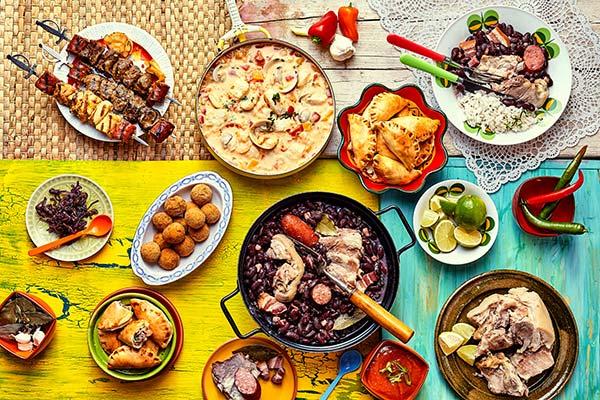
Brazilian cuisine is far more than just churrasco. It is a vibrant, flavorful tapestry woven from indigenous ingredients, Portuguese colonial heritage, and the influences of African, European, and Asian immigrants. Spanning a continent-sized nation with diverse biomes—from the Amazon rainforest to the southern pampas—the food reflects its geography, history, and incredible cultural mosaic. To truly understand Brazil, one must savor its food, which is, at its heart, a celebration of life, community, and abundant natural resources.
The Melting Pot of Flavors: Historical Influences
The foundation of Brazilian cooking rests on three major pillars: Indigenous, Portuguese, and African.
The Indigenous peoples contributed staple ingredients like cassava (mandioca or aipim), corn, nuts (especially the Brazil nut), and a vast array of fruits, including açaí and cupuaçu. Cassava, in particular, is a cornerstone, transformed into flour (farinha) used in everything from simple side dishes to sophisticated stuffings.
The Portuguese brought wheat, rice, sugar, olive oil, and introduced cattle and pigs. They adapted their traditional stews and techniques, such as the use of dried and salted cod (bacalhau), to the new ingredients available in the colonies. They also introduced a sweet tooth, leading to the creation of many beloved Brazilian desserts based on egg yolks and sugar.
The African influence, brought by enslaved peoples, dramatically shaped the flavor profile, particularly in the northeastern state of Bahia. They introduced ingredients like okra (quiabo), malagueta peppers, and most importantly, palm oil (dendê). Dishes like vatapá and acarajé are direct, flavorful legacies of this heritage, imparting a richness and complexity that is essential to Brazilian taste.
Regional Delights: A Culinary Journey Across Brazil
Brazil’s immense size means that its cuisine varies significantly from north to south, offering distinct culinary identities in each region.
The North: Amazonian Abundance
The food of the North, centered around the Amazon basin, relies heavily on ingredients from the river and the rainforest. Fish, such as pirarucu and tambaqui, are paramount, often cooked in a flavorful broth made with indigenous herbs. Tacacá, a famous street food, is a complex soup made with tucupi (a yellow broth extracted from wild manioc, which must be boiled to remove toxins), tapioca gum, jambu (a leafy green that causes a delightful, mild tingling or numbing sensation in the mouth), and dried shrimp. It is a unique experience that embodies the wild, vibrant flavors of the Amazon.
The Northeast: Spicy and Savory
The Northeast is perhaps the most distinctive culinary region due to the strong African influence, particularly Bahia. The use of dendê oil, coconut milk, and spicy malagueta peppers is prevalent. Key dishes include:
- Acarajé: A deep-fried patty made from mashed black-eyed peas, seasoned with onion and salt, served split and filled with vatapá and shrimp.
- Moqueca: A slow-cooked, rich seafood stew made with fish or shrimp, coconut milk, dendê oil, peppers, tomatoes, and cilantro. It is a creamy, aromatic dish that showcases the perfect marriage of African and local flavors.
The Southeast: Urban Comforts and Staples
The Southeast, home to major cities like São Paulo and Rio de Janeiro, acts as a culinary crossroads. However, the state of Minas Gerais offers perhaps the most iconic “Brazilian” food—simple, rustic, and comforting. Feijão Tropeiro (trooper’s beans), made with brown beans mixed with cassava flour, bacon, sausage, and eggs, is a hearty staple. The region is also famous for Pão de Queijo, small, baked cheese rolls made from tapioca flour, which are naturally gluten-free and beloved throughout the country.
The South: The Land of Churrasco
The cuisine of the South, influenced by European immigrants (especially German and Italian) and the gaúcho (cowboy) culture of the Pampas grasslands, is dominate by meat. Churrasco, or Brazilian barbecue, originates here. It involves cooking large cuts of beef, pork, and chicken on skewers over an open fire or hot coals. The simplicity of the cooking—often just salt for seasoning—allows the quality of the meat to shine. The signature cut is the Picanha (top sirloin cap), known for its distinct layer of fat that renders during cooking, giving it incredible flavor.
The National Dish: Feijoada
No discussion of Brazilian cuisine is complete without mentioning Feijoada, the unofficial national dish. This hearty stew of black beans, various cuts of pork (like bacon, smoked sausage, and dried meat), and beef is traditionally slow-cooked to a deep, savory perfection.
Feijoada is typically served with an array of colorful side dishes:
- Farinha (toasted cassava flour)
- Arroz Branco (white rice)
- Couve à Mineira (sautéed collard greens)
- Laranja (orange slices), which serves a dual purpose: cutting the richness of the meat and aiding digestion.
Traditionally, Feijoada is eaten on Wednesdays and Saturdays, making it a weekend social ritual and a true symbol of Brazilian culinary identity.
Sweet Endings: Brazilian Desserts
Brazilian desserts are often intensely sweet, reflecting the Portuguese colonial preference for sugar. Brigadeiros, small chocolate truffle-like balls made from condensed milk, cocoa powder, and butter, are ubiquitous at parties. Other favorites include Quindim (a bright yellow, baked coconut and egg custard) and Pudim de Leite Condensado (a flan made with condensed milk and a caramel topping).
Conclusion
Brazilian culinary arts are an ever-evolving narrative, one that speaks of migration, adaptation, and a deep connection to the land. From the tingling sensation of jambu in the Amazon to the smoky succulence of picanha in the South, Brazilian food offers a sensory journey that is as diverse and captivating as the country itself. It is a cuisine built on comfort, flavor, and the warmth of sharing, inviting everyone to pull up a chair and savor the generous spirit of Brazil. The next time you seek a profound culinary experience, let your palate guide you to the vibrant and flavorful world of Brazilian food.