In the world of nutrition, few vegetables carry the same “superfood” prestige as broccoli. Often described as a miniature tree, this vibrant green cruciferous vegetable is a member of the Brassica oleracea family, which also includes kale, cauliflower, and Brussels sprouts. While it has been a staple of healthy diets for decades, recent scientific research in 2026 has uncovered even more profound ways that broccoli supports our biological systems.
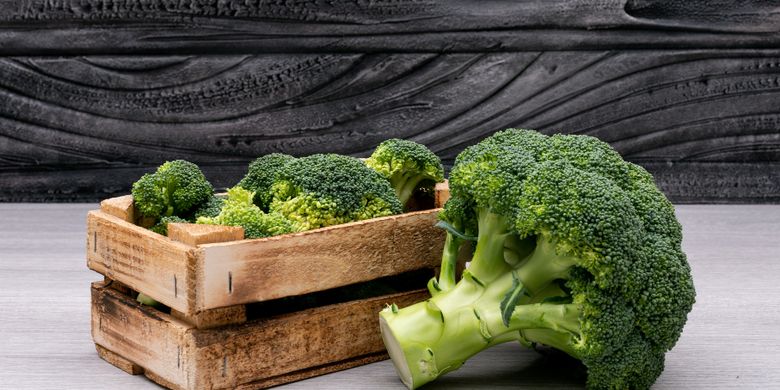
Broccoli is not merely a side dish; it is a complex delivery system for essential vitamins, minerals, fiber, and potent bioactive compounds. From protecting your heart to fortifying your immune system, the benefits of this vegetable are as diverse as they are powerful. In this article, we delve into the science-backed reasons why broccoli should be a permanent resident on your dinner plate.
A Nutritional Goldmine: The Vitamin and Mineral Profile
One of the primary reasons broccoli is so highly regard is its exceptional nutrient density. Even in small servings, it provides a significant percentage of the daily recommended intake for several vital nutrients.
- Vitamin C: Most people think of oranges when they need Vitamin C, but a single cup of cooked broccoli provides nearly 100% of your daily requirement. This antioxidant is crucial for immune function, skin health, and collagen production.
- Vitamin K: This often-overlooked vitamin is essential for blood clotting and plays a major role in maintaining bone density and strength.
- Folate (B9): Vital for cell growth and function, folate is especially important for pregnant women and those looking to support heart health.
- Fiber: High fiber content supports digestive regularity and helps manage blood sugar levels by slowing the absorption of glucose.
The Sulforaphane Secret: Broccoli’s Unique Weapon
What truly elevates broccoli to “superfood” status is a sulfur-rich compound called sulforaphane. This phytochemical is formed when broccoli is chopped or chewed, triggering a reaction between the precursor glucoraphanin and the enzyme myrosinase.
Research indicates that sulforaphane is a potent activator of the body’s natural detoxification pathways. It stimulates the production of enzymes that neutralize harmful toxins and free radicals. Furthermore, studies have shown that sulforaphane may cross the blood-brain barrier, offering neuroprotective benefits that could help shield the brain from oxidative stress and inflammation, potentially reducing the risk of neurodegenerative conditions.
Cardiovascular Health and Stroke Prevention
Broccoli is a champion for the heart. High levels of fiber help reduce “bad” (LDL) cholesterol by binding with bile acids in the digestive tract and escorting them out of the body. Potassium, another key mineral in broccoli, helps regulate blood pressure by easing tension in your blood vessel walls.
Exciting new clinical findings in 2024 and 2025 have highlighted broccoli’s specific role in stroke prevention. Scientists have discovered that a natural chemical found in broccoli can reduce the formation of harmful blood clots. This discovery is being hailed as a potential breakthrough in “preventative gastronomy,” suggesting that regular broccoli consumption could act as a natural defense against ischemic strokes.
Digestive Wellness and Gut Microbiome Support
Modern science has confirmed that a healthy gut is the foundation of overall wellness. Broccoli supports the digestive system in two distinct ways. First, its high fiber content prevents constipation and ensures smooth transit through the digestive tract.
Second, broccoli interacts with the gut microbiome. The fiber in broccoli acts as a “prebiotic,” feeding the beneficial bacteria in your colon. Recent studies have found that certain molecules in broccoli bind to receptors in the gut lining, helping to maintain a strong intestinal barrier and reducing systemic inflammation. A resilient gut lining is essential for preventing “leaky gut” and protecting the body from various inflammatory diseases.
Maximizing the Benefits: The Importance of Preparation
To get the most out of your broccoli, how you cook it matters. Many of the most beneficial compounds, particularly sulforaphane, are heat-sensitive.
- Steaming is King: Research shows that lightly steaming broccoli for three to five minutes is the best way to preserve its nutrient profile while making it easier to digest.
- Avoid Boiling: Boiling broccoli for long periods can cause water-soluble vitamins (like Vitamin C and Folate) and glucosinolates to leach into the water and be lost.
- The “Chop and Wait” Method: To maximize sulforaphane, try chopping your broccoli and letting it sit for about 40 minutes before cooking. This allows the enzymes to fully activate the health-boosting compounds.
Conclusion
Broccoli is far more than just a vegetable your parents told you to eat; it is one of the most effective “preventative medicines” available in the grocery store. Whether you are looking to boost your immune system, protect your cardiovascular health, or support your brain and gut, broccoli provides a comprehensive suite of benefits that few other foods can match.
By incorporating just two to three servings of broccoli into your weekly routine, you are making a high-value investment in your long-term health. It is a testament to the idea that nature often provides the best tools for human vitality.
Would you like me to create a 15-minute recipe for “Garlic-Ginger Steamed Broccoli” that uses the “chop and wait” method to ensure you get the maximum amount of sulforaphane in every bite?