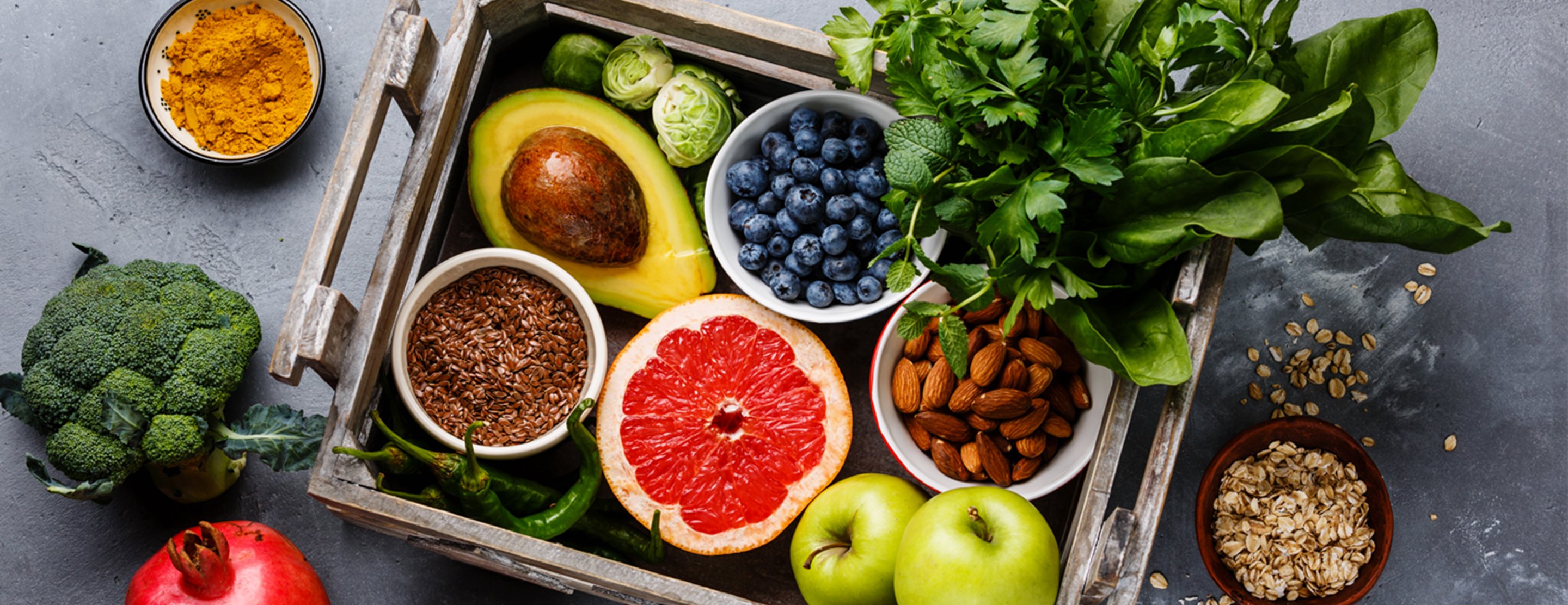
The quest for the ultimate “superfood” is as old as civilization itself. From the ancient civilizations of the Andes to the modern laboratories of nutritional science, humans have always sought out specific ingredients that promise longevity, vitality, and protection against disease. In 2026, our understanding of nutrition has moved beyond simple calorie counting to a deep appreciation for phytonutrients, antioxidants, and the complex chemistry of what we consume.
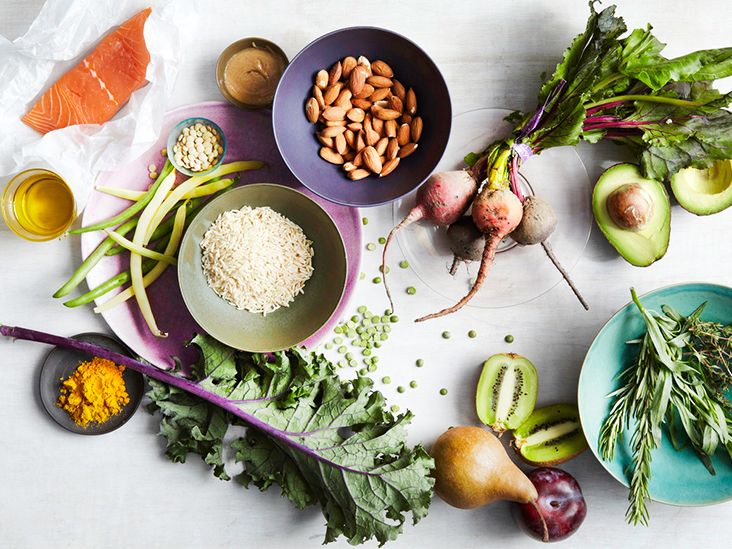
However, with so much information available, it can be difficult to separate marketing hype from genuine nutritional value. When we talk about food claimed to be the healthiest in the world, we are looking for nutrient density—foods that pack the highest concentration of vitamins, minerals, and beneficial compounds into every bite. This article explores the top contenders for the title of the world’s healthiest foods and the science that supports their lofty reputations.
The Green Giant: Kale and the Cruciferous Family
For over a decade, kale has been the poster child for healthy eating, and for good reason. It is often cited as the most nutrient-dense plant on the planet. A single cup of raw kale contains more Vitamin C than an orange, more Vitamin A than many other leafy greens, and a massive dose of Vitamin K1, which is essential for bone health and blood clotting.
What truly sets kale apart, however, are its bioactive compounds like quercetin and kaempferol. These flavonoids have powerful heart-protective, blood pressure-lowering, anti-inflammatory, and anti-viral effects. Furthermore, as a member of the cruciferous family, kale contains sulforaphane, a compound that has been extensively studied for its ability to help the body fight the formation of cancer cells at a molecular level.
The Blue Miracle: Wild Blueberries and Antioxidant Power
When scientists measure the “Total Antioxidant Capacity” of food, wild blueberries consistently rank at the top of the list. Unlike their larger, store-bought cousins, wild blueberries are smaller and contain less water, meaning their nutrient profile is much more concentrated.
The primary “magic” in blueberries comes from anthocyanins. These are the pigments that give the berries their deep blue color. Anthocyanins are known to cross the blood-brain barrier, directly protecting brain cells from oxidative stress and inflammation. Regular consumption of these berries has been linked to improved memory and cognitive function in both children and older adults. In the world of fruit, the blueberry is arguably the most efficient tool for anti-aging.
The Healthy Fat: Extra Virgin Olive Oil and the Mediterranean Secret
If there is one food that defines the “Blue Zones”—regions of the world where people live statistically longer lives—it is extra virgin olive oil (EVOO). Unlike highly processed seed oils, EVOO is essentially a fruit juice, extracted solely by mechanical means without the use of heat or chemicals.
The health claims surrounding olive oil primarily focus on oleic acid, a monounsaturated fat that makes up about 73% of the oil’s total content. Oleic acid is famous for reducing inflammation and having beneficial effects on genes linked to cancer. Additionally, EVOO is loaded with oleocanthal, a phenolic compound that works similarly to ibuprofen as a natural anti-inflammatory. This is why a diet rich in olive oil is so closely associated with a reduced risk of heart disease and stroke.
The Fermented Foundation: Kimchi and the Microbiome
In recent years, the focus of the “healthiest food” debate has shifted from the ingredients themselves to how they affect our gut health. This has brought Kimchi, the traditional Korean dish of fermented vegetables, into the global spotlight.
Kimchi is a nutritional powerhouse because it combines high-fiber vegetables (like napa cabbage and radishes) with a diverse array of “good” bacteria, primarily Lactobacillus. As the vegetables ferment, they produce probiotics that strengthen the immune system and improve digestion. Because it also contains garlic, ginger, and chili peppers, Kimchi provides a triple-threat of anti-microbial and metabolism-boosting benefits. Many nutritionists now claim that a healthy gut is the foundation of all health, making fermented foods like Kimchi indispensable.
The Ocean’s Gold: Fatty Fish and Omega-3s
While plant-based foods dominate much of the health conversation, fatty fish—specifically salmon, sardines, and mackerel—are frequently claimed to be the healthiest protein sources in the world. The reason is simple: Omega-3 fatty acids (EPA and DHA).
These essential fats are critical for every cell membrane in the human body. They reduce triglycerides, lower blood pressure, and are vital for maintaining the structural integrity of the brain. For those seeking the “healthiest” option, wild-caught Alaskan salmon is often the gold standard, as it provides high-quality protein without the environmental contaminants often found in larger predatory fish.
Conclusion
The reality of the “healthiest food in the world” is that no single ingredient can provide everything the human body needs. The true secret to health lies in the synergy of these ingredients. A diet that combines the antioxidants of blueberries, the healthy fats of olive oil, the probiotics of Kimchi, and the vitamins of kale creates a biological environment where the body can truly thrive.
When we choose these nutrient-dense superstars, we are doing more than just eating; we are providing our bodies with the raw materials needed for repair, protection, and peak performance. The best approach to healthy eating is not to hunt for one single miracle food, but to build a diverse “collection” of these global superstars on your plate every day.
Would you like me to research a specific “7-day Superfood Meal Plan” that incorporates all these ingredients into easy, delicious recipes for your upcoming week?