The culinary landscape of the United States has undergone a profound transformation over the last few decades. What was once a nation primarily focused on meat-and-potatoes fare has evolved into a sophisticated global palate, with Japanese cuisine leading the charge. Today, Japanese dining in America is no longer limited. To the ubiquitous California roll or the theatrical flares of hibachi grills. Instead, the country boasts some of the most authentic, innovative, and prestigious Japanese dining experiences outside of Tokyo.
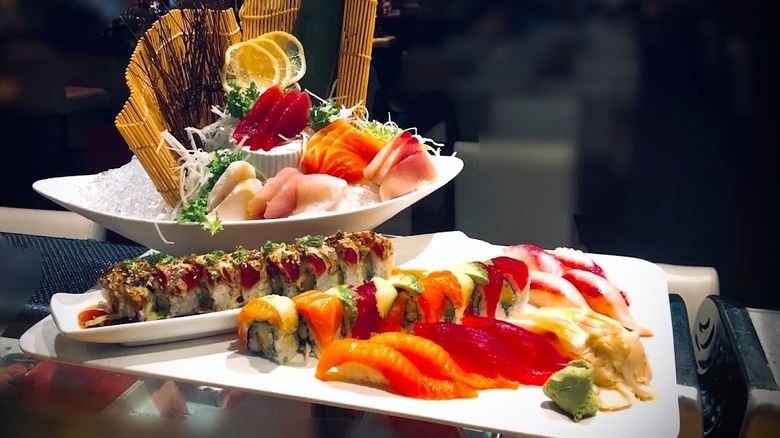
From the meticulous art of Edomae-style sushi in New York City to the soulful, steaming bowls of ramen in Los Angeles. The “Best Japanese Restaurants in America” represent a diverse spectrum of flavor and tradition. In this article, we explore the establishments that have redefined excellence. And brought the true essence of Omotenashi (Japanese hospitality) to American shores.
The Pinnacle of Precision: Masa, New York City
When discussing elite Japanese dining in America, the conversation invariably begins with Masa. Located in the Time Warner Center in Manhattan, Masa is the brainchild of Chef Masa Takayama. It holds the distinction of being the first Japanese restaurant in the U.S. To receive three Michelin stars, and it remains one of the most expensive dining experiences in the world.
The experience at Masa is a lesson in minimalism and quality. There is no menu; guests are treated to an Omakase (chef’s choice) journey that features. The highest grade of seafood flown in directly from Japan. The focus here is on the purity of the ingredient. Whether it is the buttery texture of O-toro (fatty tuna). Or the delicate sweetness of Hokkaido Uni, every bite is a testament to the chef’s mastery of temperature and timing. The hinoki wood sushi bar, sanded to a silken finish, provides the perfect stage for this culinary ballet.
The Soul of the West Coast: n/naka, Los Angeles
While New York leans toward traditional sushi, Los Angeles has become the epicenter of Kaiseki—the traditional multi-course. Japanese dinner that balances taste, texture, appearance, and colors. At the forefront of this movement is Chef Niki Nakayama and her restaurant, n/naka.
Nakayama’s approach is a beautiful marriage of Japanese tradition and California’s seasonal bounty. Her “Modern Kaiseki” menu is a storytelling experience, where each dish represents a specific moment in the season. The restaurant gained global fame through the “Chef’s Table” series, but its reputation is built on the plate. From the sashimi course to the grilled “Shiizakano” dish, n/naka emphasizes the Japanese philosophy of Shun—using ingredients at their absolute peak. It is a quiet, intimate space where the chaos of Los Angeles fades away. Replaced by a deep appreciation for the natural world.
Innovation and Atmosphere: Nobu and the Global Influence
No discussion of Japanese food in America is complete without mentioning the Nobu empire. While it has expanded globally, the original partnership between Chef Nobu Matsuhisa and actor Robert De Niro in New York City changed the way Americans perceived Japanese food.
Nobu introduced the concept of “Japanese-Peruvian Fusion,” bringing bold ingredients like jalapeños, cilantro, and yuzu-soy into the traditional sushi repertoire. The Black Cod with Miso has become one of the most imitated dishes in the world. While some purists argue that it leans too far into fusion, the impact of Nobu on American dining culture is undeniable. It made Japanese food “cool,” glamorous, and accessible to a wider audience, paving the way for the niche boutiques that thrive today.
The Ramen Revolution: Santouka and Ippudo
The best Japanese restaurants in America aren’t always the ones with the highest price tags. The “Ramen Revolution” of the last decade has proven that casual, soul-satisfying comfort food is just as vital as fine dining.
Establishments like Ippudo in New York and Hokkaido Ramen Santouka (which started in Japan but found a massive following in American food courts and stand-alone shops) have set the standard for what a bowl of noodles should be. The focus here is on the broth—rich, creamy Tonkotsu that has been simmered for nearly twenty hours. These restaurants have educated the American public on the nuances of noodle texture and the importance of the Ajitsuke Tamago (marinated soft-boiled egg). They represent the democratic side of Japanese cuisine, where quality is accessible to everyone.
What Defines the “Best” in Japanese Dining?
As we look across the United States in 2026, the criteria for the best Japanese restaurants have evolved. It is no longer just about the freshness of the fish, but about several key factors:
- Sourcing and Sustainability: Top-tier restaurants are now increasingly transparent about where their fish comes from, often using high-tech tracking to ensure it was caught ethically and handled with the Ikejime method to preserve quality.
- Technique and Tradition: Whether it is the fermentation of soy sauce or the aging of fish (Jukusei), the best chefs are returning to ancient techniques to coax more flavor out of their ingredients.
- The Concept of Wa: This refers to harmony. The best restaurants create a harmonious balance between the food, the vessel it is served in, the lighting of the room, and the service provided.
Conclusion
The best Japanese restaurants in America are those that manage to honor the rigid traditions of the past while embracing the creative freedom of the present. From the high-stakes luxury of Masa to the seasonal poetry of n/naka and the comforting steam of a local ramen shop, Japanese cuisine has found a second home in the United States.
These restaurants do more than just serve food; they serve as cultural bridges, teaching us the value of patience, the beauty of simplicity, and the profound respect for the ingredients that sustain us. As the industry continues to innovate, one thing remains certain: America’s appetite for the flavors of the Rising Sun shows no signs of waning.
Would you like me to find a specific list of highly-rated Japanese restaurants in a particular city like Chicago, San Francisco, or Miami to help narrow down your next dining destination?