Culinary Adventures: 7 Extreme Yet Delicious Foods

In the realm of gastronomy, some culinary creations push the boundaries of traditional taste experiences, offering adventurous food enthusiasts a chance to embark on a flavor-packed journey. From spicy delicacies that set taste buds ablaze to daring combinations that challenge the norm, these extreme yet delicious foods tantalize the senses and redefine the concept of culinary adventure. Let’s dive into the world of gastronomic extremes and explore seven foods that walk the fine line between daring and delicious.

1. Spicy Delights: Carolina Reaper Infused Dishes

The Heat Seeker’s Choice: Carolina Reaper

Known as the world’s hottest chili pepper, the Carolina Reaper takes spiciness to unprecedented levels. While some might shy away from its fiery reputation, others embrace the challenge. From Carolina Reaper-infused hot sauces to spicy snacks and even ice cream, adventurous eaters savor the intense heat, discovering layers of flavor beneath the initial inferno.

2. Fermented Frenzy: Century Eggs

Read more

7 Luxurious Foods Served on Cruise Ships

Embarking on a cruise is not just a journey across the seas; it’s an exploration of opulence, and that extends to the culinary realm. Cruise lines, known for their commitment to providing an unparalleled experience, elevate onboard dining to a level of sophistication that mirrors the grandeur of the open ocean. Let’s set sail into the world of gastronomic indulgence and discover seven luxurious foods that grace the tables of cruise ships, turning each meal into a culinary extravaganza.

1. Lobster Tail Extravaganza

A Seafood Delight: Lobster Tail

Lobster, often considered a symbol of luxury dining, takes center stage on many cruise ship menus. The lobster tail, with its succulent, sweet meat, is expertly prepared and presented with finesse. Whether grilled, broiled, or served alongside drawn butter, this maritime delicacy graces the tables of cruise ships, offering passengers a taste of the sea’s finest bounty.

2. Caviar Bliss

The Epitome Read more

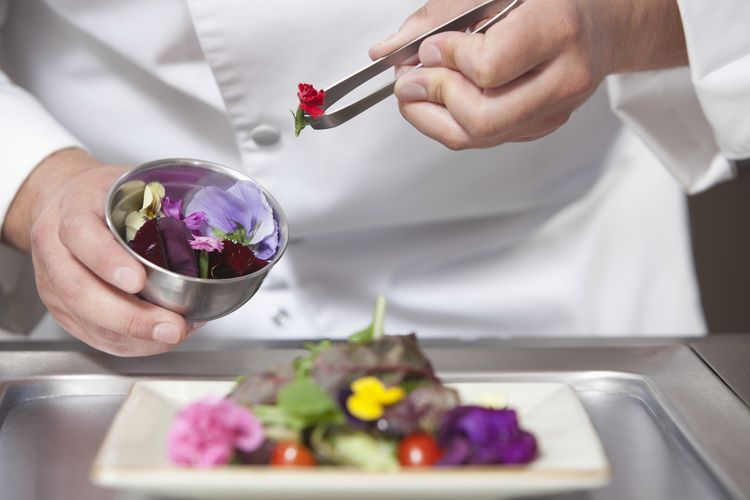
Culinary Artistry Blossoming with Edible Flowers

In the world of gastronomy, the marriage of beauty and taste finds its most exquisite expression in the realm of edible flowers. From delicate petals adorning salads to vibrant blooms infused into desserts, the culinary world has embraced the aesthetic allure of flowers, turning them into captivating ingredients that elevate the dining experience. Let’s embark on a journey through the enchanting landscape of edible flowers and explore how these botanical wonders have become a source of inspiration Culinary Artistry for chefs and home cooks alike.

Culinary Artistry

Top Burger Restaurants to Try in the USA

The Art and Tradition of Edible Flowers

A. Historical Significance

The use of flowers in culinary pursuits is not a modern phenomenon; it has deep historical roots. Ancient civilizations, including the Greeks and Romans, incorporated flowers into their feasts for both decorative and gastronomic purposes. In medieval times, flowers were a common ingredient in elaborate dishes prepared … Read more

A Comprehensive Exploration of a Culinary Sensation

In the ever-evolving landscape of plant-based alternatives, oat milk has emerged as a versatile and beloved option for those seeking dairy-free alternatives. From lattes to baking, oat milk has become a staple in many households. Let’s delve into the intricacies of this culinary sensation, exploring its origins, nutritional benefits, and diverse applications.

The Rise of Oat Milk: From Farm to Glass

A. Origin and Production

Oat milk, as we know it today, has humble beginnings rooted in Scandinavia. Oats, a staple grain in this region, were traditionally used in porridges and baked goods. The transition from a breakfast ingredient to a dairy alternative occurred as oat milk gained popularity for its creamy texture and neutral taste.

The production of oat milk involves soaking and blending oats with water, followed by straining to extract the liquid. The result is a smooth, lactose-free milk substitute that has captured the taste buds of … Read more

Understanding Alcohol Restrictions in Arab Countries

In the vast tapestry of cultural diversity, the Middle East stands out as a region where traditions, values, and religious beliefs intertwine to shape societal norms. One prominent facet of these norms is the restriction on the consumption of alcoholic beverages in many Arab countries. This article seeks to unravel the historical, cultural, and religious threads that contribute to the limitations on alcohol in these nations.

Alcohol Restrictions

Mastering the Art of Curbing Food Cravings

The Historical Perspective

To comprehend the contemporary stance on alcohol in Arab countries, it’s essential to delve into the historical context. Traditionally, the Middle East has been home to Islam, a religion that emerged in the 7th century. Islam, guided by the Quran and the teachings of Prophet Muhammad, has played a profound role in shaping the cultural and legal landscapes of the region.

Historically, many Arab societies had thriving pre-Islamic cultures that included the consumption of … Read more

1 7 8 9 10 11 15