In the mid-20th century, the idea of eating raw fish was considered an extreme culinary anomaly in the United States. Today, however, you can find sushi in high-end Michelin-starred boutiques, suburban strip malls. And even the local grocery store’s refrigerated aisle. The transformation of sushi from a foreign curiosity into a staple of the American diet is one of the most successful cultural migrations in gastronomic history.
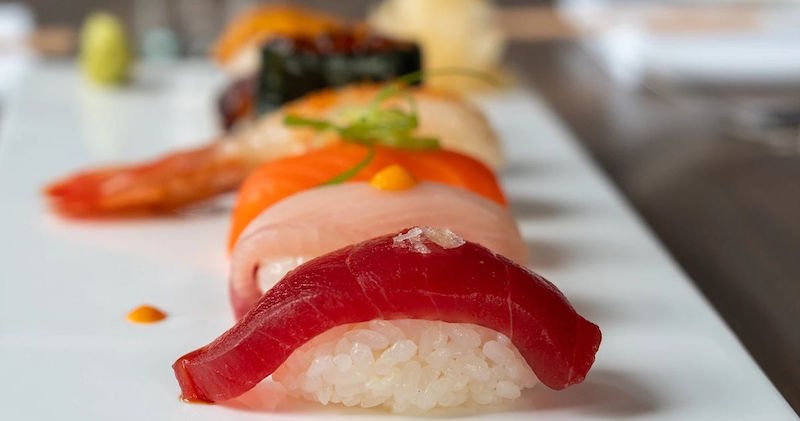
The popularity of sushi in the U.S. is not just a trend; it is a testament to the American ability to adapt, innovate. And eventually embrace global flavors. In this article, we explore the journey of sushi across the Pacific. And the factors that made it a billion-dollar industry in the States.
The Origins: From Little Tokyo to the Mainstream
The introduction of sushi to America began in the late 1960s and early 1970s. The first true sushi bar in the U.S., Kawafuku, opened in Los Angeles’ Little Tokyo. Initially, the clientele was primarily Japanese expatriates and businessmen. However, the proximity to Hollywood played a crucial role. Celebrities began frequenting these bars, seeking out something “exotic” and “sophisticated,” which gave sushi an early aura of glamour.
The real turning point, however, was the invention of the California Roll. In the late 70s, a chef in Los Angeles (or Vancouver, depending on who you ask) realized that many Americans were intimidated by the sight of black seaweed (nori) and the texture of raw fish. By “turning the roll inside out” to hide the seaweed and replacing raw tuna with creamy avocado and cooked imitation crab, the California Roll became the “gateway drug” for the American public.
The Health Halo: Sushi as the “Better-for-You” Fast Food
As the 1980s and 90s brought an increased awareness of heart health and the dangers of high-fat diets, sushi was positioned perfectly. It was marketed as a light, high-protein, and low-fat alternative to the traditional American burger-and-fries meal.
The presence of Omega-3 fatty acids in fish and the low-calorie nature of vinegared rice gave sushi a “health halo.” For the fitness-conscious American, a sushi lunch became a symbol of a disciplined, modern lifestyle. This health-centric perception allowed sushi to move beyond the dinner table and into the daily lunch routines of office workers across the country.
Innovation and the “Americanization” of Sushi
One reason sushi became so popular is its adaptability. American chefs (and Japanese chefs in America) began to diverge from the strict traditions of Edomae-style sushi. They introduced ingredients that appealed to the local palate, such as cream cheese (the Philadelphia Roll), spicy mayo, tempura flakes, and even fruit.
The Rise of the Fusion Roll
The “Specialty Roll” became an American phenomenon. These rolls are often characterized by elaborate names like the “Dragon Roll” or the “Rainbow Roll.” They are visually stunning, often drizzled with eel sauce and sriracha, catering to the American preference for bold, contrasting flavors and textures. While purists might scoff, these innovations made sushi accessible to a demographic that might have otherwise avoided “raw fish.”
Accessibility: From Fine Dining to Grab-and-Go
The democratization of sushi is another key factor in its dominance. In the early 2000s, sushi was primarily a sit-down experience. However, the industry shifted toward extreme accessibility.
- Grocery Store Sushi: Chains like Whole Foods and Kroger began hosting live sushi stations. This removed the “intimidation factor” of a formal restaurant, allowing people to try sushi in a low-stakes environment.
- Sushi Burritos and Poke Bowls: In the last decade, the “sushi-fication” of other formats has taken hold. The sushi burrito and the Hawaiian-inspired poke bowl use sushi-grade fish in a more casual, fast-casual setting, appealing to the Gen Z and Millennial desire for customizable, Instagram-mable meals.
The Cultural Impact and Future Trends
Today, sushi is so ingrained in American culture that it is no longer seen as “Japanese food,” but rather as just “food.” It has influenced American fine dining, with many non-Japanese chefs incorporating umami-rich ingredients like miso, yuzu, and dashi into their menus.
However, the popularity of sushi has also brought challenges. Overfishing and the sustainability of tuna and eel populations have become significant concerns for American consumers. As a result, 2026 has seen a rise in “Plant-Based Sushi” and the use of sustainably farmed fish. Innovations like “tomato tuna” or “eggplant eel” are beginning to appear on menus, reflecting the American consumer’s evolving concern for environmental ethics.
Conclusion
The story of sushi in the United States is a classic tale of successful integration. By balancing the authentic craftsmanship of Japanese tradition with the innovative, flavor-seeking spirit of the American palate, sushi has secured its place as a cornerstone of the American diet. It moved from an “acquired taste” to a weekly craving for millions. As the industry continues to evolve with a focus on sustainability and new fusion formats, one thing is certain: America’s love affair with the rice and fish combination is far from over.
Would you like me to find a list of the most popular sushi restaurants in a specific U.S. city to help you plan your next culinary outing?
