For the passionate home cook, the journey into the culinary arts often hits a plateau. Mastering simple weeknight dinners and executing familiar holiday dishes is one thing, but aspiring to truly transformative, high-level cooking—the kind that demonstrates precision, creativity, and a deep understanding of technique—requires a dedicated, structured approach. This is the realm of Connoisseur Cooking Programs: educational experiences designed to elevate enthusiasts from competent hobbyists to sophisticated culinary artists.
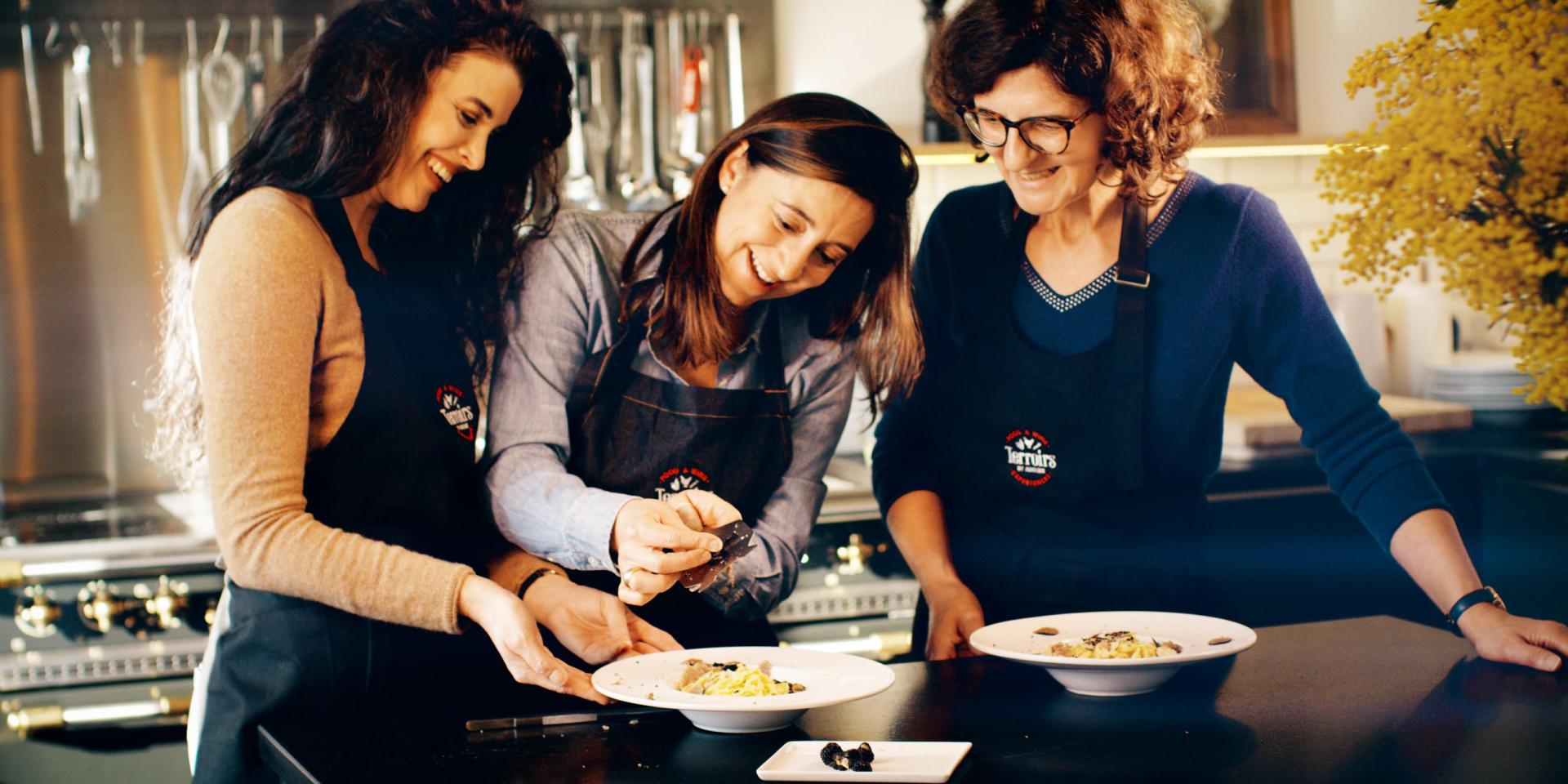
These programs, which range from elite culinary school electives and intensive weekend workshops to specialized online masterclasses, focus on the ‘why’ behind the ‘how.’ They move past mere recipes, delving into molecular gastronomy, advanced pastry science, classical French butchery, or regional expertise. Investing in a connoisseur program is not just about learning new dishes; it’s about acquiring the foundation, perspective, and precision that defines true culinary mastery.
Phase I: Defining the Connoisseur Curriculum
Connoisseur programs are distinguished by their intense focus on mastery within a specific, advanced domain, often taught by highly accomplished chefs, sommeliers, or food scientists. The curriculum moves far beyond typical recreational cooking classes.
1. Advanced Technique and Precision
The core focus is precision. This might include:
- Classical French Methods: Mastering essential techniques like emulsification, sauce construction (the five mother sauces), and complicated pastry work (e.g., laminated doughs, tempering chocolate).
- Molecular Gastronomy: Understanding the science of cooking—using hydrocolloids, spherification, and temperature control to manipulate textures and flavor delivery in innovative ways.
- Butchery and Fishmongering: Learning the anatomical structure of proteins, maximizing yield, and understanding aging and curing processes, allowing the cook to select and prepare raw ingredients with expertise.
2. Regional and Ingredient Deep Dives
These programs often dedicate intensive study to the culinary identity of a specific region, demanding a profound respect for ingredient sourcing and authenticity.
- Example: A program on Japanese cuisine would spend time mastering dashi stock, perfecting knife skills for different sashimi cuts, and understanding the role of fermentation (koji culture) in flavor development.
3. Sensory and Critical Evaluation
A connoisseur learns not only to cook but to taste and criticize with a refined palate. Programs include dedicated sessions on flavor pairing, wine and food matching, and developing the vocabulary needed to articulate subtle culinary distinctions. This elevates the cook from a technician to an artist.
Phase II: Choosing the Right Educational Format
The ideal connoisseur program depends on your learning style, availability, and financial investment capability.
1. Intensive In-Person Workshops
These programs, often offered by professional culinary schools or specialized institutions (like those focusing on bread or fermentation), are the gold standard for tactile learning.
- Benefit: Direct, hands-on instruction in a professional kitchen environment, immediate feedback from a master chef, and networking with fellow serious enthusiasts.
- Consideration: They require a significant time commitment (ranging from a weekend to several weeks) and travel.
2. Specialized Online Masterclasses
The digital age has democratized access to world-class instruction. Many renowned chefs offer high-production-value video series that break down their signature techniques.
- Benefit: Learn at your own pace, rewind and review complex steps, and access instruction from international masters without leaving your kitchen.
- Consideration: Lacks the immediate, critical feedback essential for correcting small, physical technique flaws (e.g., wrist angle during a chop).
3. Culinary Travel and Immersion
Booking specialized cooking retreats in regions like Tuscany, Oaxaca, or Kyoto offers an unparalleled learning experience rooted in culture and tradition.
- Benefit: Provides context for ingredients (e.g., harvesting olives before learning to press oil), deep cultural immersion, and authenticity of recipes handed down through generations.
Phase III: The Outcomes of Connoisseurship
The true measure of a connoisseur program is not the certificate, but the transformation in the participant’s approach to cooking.
1. Increased Confidence and Intuition
By understanding why techniques work (the science of heat, fat, and protein), the cook develops the confidence to improvise and adapt recipes on the fly. They no longer rely rigidly on measurements but on sensory intuition.
2. Elevated Ingredient Appreciation
The connoisseur develops a deep appreciation for ingredient quality, provenance, and seasonality. They know how to extract maximum flavor from a single perfect vegetable or a prime cut of meat.
3. Consistent and Predictable Excellence
Ultimately, the training reduces variance. A connoisseur can replicate complex results consistently, ensuring every dish achieves the intended balance, texture, and flavor—a sign of true mastery.
Conclusion: The Investment in Culinary Joy
Connoisseur cooking programs are an investment in deep, sustained culinary joy. They are for the committed enthusiast who seeks to understand the elegance and rigor underlying world-class cuisine. By focusing on advanced technique, specialized knowledge, and a refined palate, these programs provide the tools necessary to move beyond simply following instructions and begin creating dishes that reflect expertise, creativity, and a profound respect for the transformative power of food. This is the path to truly becoming a master of your own kitchen.
Would you like suggestions for specific types of advanced techniques (like chocolate tempering or sourdough management) that are ideal for a home cook seeking connoisseur-level skills?