In the mid-20th century, the idea of eating raw fish was considered an extreme culinary anomaly in the United States. Today, however, you can find sushi in high-end Michelin-starred boutiques, suburban strip malls. And even the local grocery store’s refrigerated aisle. The transformation of sushi from a foreign curiosity into a staple of the American diet is one of the most successful cultural migrations in gastronomic history.
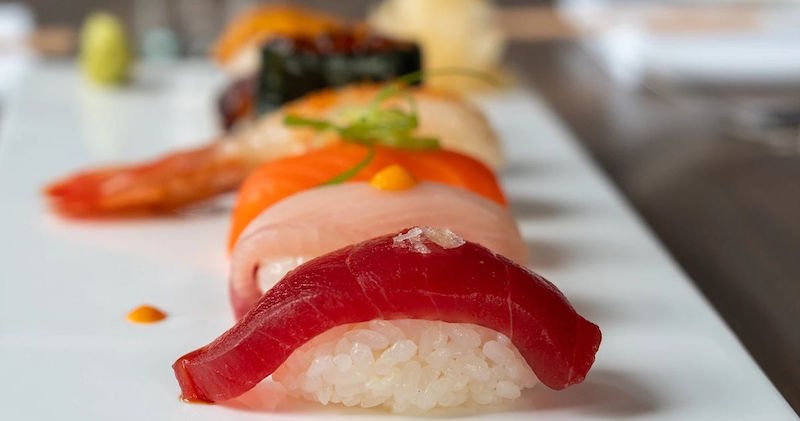
The popularity of sushi in the U.S. is not just a trend; it is a testament to the American ability to adapt, innovate. And eventually embrace global flavors. In this article, we explore the journey of sushi across the Pacific. And the factors that made it a billion-dollar industry in the States.
The Origins: From Little Tokyo to the Mainstream
The introduction of sushi to America began in the late 1960s and early 1970s. The first true sushi bar in the U.S., Kawafuku, … Read more