In the world of home cooking, a meal is often judged by its “main event”—the perfectly seared steak, the aromatic curry, or the golden-brown roast chicken. However, a professional chef will tell you that the true magic happens in the harmony between the main course and its supporting cast: the side dishes. A well-chosen side dish doesn’t just fill the plate; it provides the essential contrast in texture, temperature, and flavor that elevates a simple dinner into a complete culinary experience.
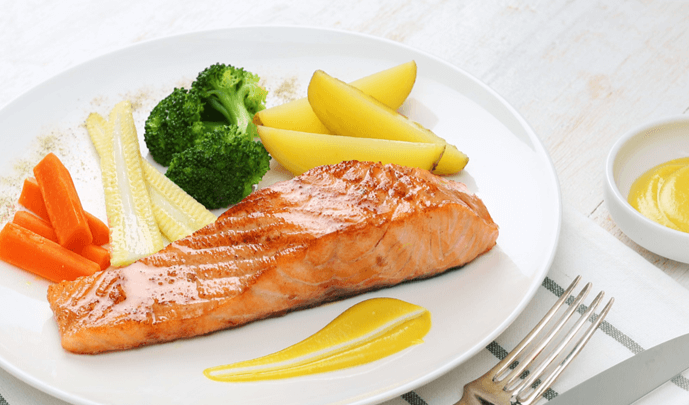
As we move through 2026, the trend in home dining has shifted toward “intentional simplicity.” We are no longer looking for overly complicated fourteen-ingredient sides. Instead, we are looking for smart pairings that balance richness with acidity and crunch with creaminess. Here is a guide to mastering the art of the main-and-side pairing.
The Philosophy of Culinary Balance
Before diving into specific recipes, it is important to understand the three pillars of a balanced plate: Contrast, Complement, and Texture.
- Contrast: If your main course is heavy and rich (like a beef stew or a creamy pasta), your side dish should be bright and acidic (like a citrus-dressed green salad) to cleanse the palate.
- Complement: If your main course has a specific cultural profile (like a Moroccan tagine), your side dish should share similar aromatic roots (like a spiced couscous with dried apricots).
- Texture: A soft, braised main dish begs for a side with a “crunch,” such as roasted root vegetables or a crisp slaw. Conversely, a crispy fried protein pairs beautifully with something smooth, like a silk-textured mashed potato.
Pairing 1: The Elegant Coastal Feast
For a sophisticated yet straightforward dinner, few things beat a citrus-forward seafood dish paired with a vibrant, earthy side.
Main Course: Creamy Lemon Salmon Piccata
Salmon remains a top choice in 2026 for its health benefits and versatility. In this version, the salmon is pan-seared until the skin is shatteringly crisp, then finished in a light sauce of lemon juice, capers, and a touch of heavy cream. The capers provide bursts of salinity that cut through the richness of the fish.
Side Dish: Roasted Asparagus with Toasted Almonds
To pair with the salmon, avoid heavy starches. Instead, opt for fresh asparagus tossed in olive oil and sea salt, roasted at 400°F until tender-crisp. Finishing the dish with a handful of toasted slivered almonds adds a much-needed crunch and a nutty undertone that complements the lemon butter sauce of the salmon.
Pairing 2: The Global Comfort Bowl
Bowl-based meals have dominated the culinary landscape this year, focusing on “swavory” (sweet and savory) flavor profiles that provide a sense of adventure from the comfort of home.
Main Course: Miso-Glazed Roasted Chicken Thighs
Miso is the ultimate “secret weapon” for umami. By whisking together white miso paste, honey, soy sauce, and grated ginger, you create a glaze that caramelizes into a deep, savory crust on bone-in chicken thighs. The result is a main course that is juicy, salty, and slightly sweet.
Side Dish: Sesame Smashed Cucumber Salad
To balance the heat and fermented depth of the miso, you need something cold and refreshing. A “smashed” cucumber salad—where the cucumbers are cracked open to soak up a dressing of rice vinegar, toasted sesame oil, and a hint of chili—provides a sharp, vinegary contrast. The cool temperature of the cucumbers acts as a “fire extinguisher” for the palate, making every bite of the chicken feel new.
Pairing 3: The Modern Steakhouse at Home
While steak frites remains a classic, the 2026 update focuses on “elevated greens” to replace the heavy fries, making the meal feel indulgent yet nourishing.
Main Course: Pan-Seared Ribeye with Garlic-Herb Butter
The key to a professional-grade steak is the “baste.” Sear your steak in a cast-iron skillet, and in the final three minutes, add a large knob of butter, crushed garlic cloves, and fresh rosemary. Spoon that foaming butter over the meat continuously. This creates a deeply flavored crust that is the hallmark of high-end dining.
Side Dish: Crispy Brussels Sprouts with Gochujang Butter
Forget boiled sprouts. For a side that stands up to a bold ribeye, halve your Brussels sprouts and roast them cut-side down until they are nearly black and charred. Toss them in a mixture of melted butter and Gochujang (Korean chili paste). The smoky char of the vegetable and the fermented heat of the paste provide a complex, spicy counterpart to the rich, fatty steak.
Conclusion
The secret to an “amazing” meal isn’t found in the difficulty of the recipes, but in the thoughtfulness of the combination. By focusing on how flavors and textures interact, you can turn two simple dishes into a memorable event. Remember: the main course is the melody, but the side dish provides the harmony. When you learn to play them together, your home kitchen becomes the best restaurant in town.
Would you like me to create a customized weekly meal plan that specifically focuses on “one-pan” main and side pairings to save you time on cleanup?
