In the world of professional cooking and home kitchens alike, chefs focus relentlessly on flavor, texture, and presentation. However, there is one “ingredient” that, while invisible, is arguably the most critical: health safety. Mastering culinary health safety is not just about following rules; it is an ethical imperative that protects diners, upholds the reputation of the establishment, and prevents common, yet serious, foodborne illnesses. This article delves into the core principles of maintaining a safe kitchen environment, ensuring that the food prepared is a source of joy, not risk.
The Threat Beneath the Surface: Understanding Foodborne Illnesses
Foodborne illnesses, commonly referred to as food poisoning, are diseases caused by consuming contaminated food or drink. The culprits are usually pathogenic bacteria, viruses, parasites, or chemical substances. The most frequent bacterial causes include Salmonella, E. coli, and Listeria, which can lead to symptoms ranging from mild discomfort to severe, life-threatening conditions.
Crucially, these pathogens often do not alter the look, smell, or taste of the food, making constant vigilance the only defense. The key to prevention lies in controlling the conditions that allow these microorganisms to multiply, a process centered around what is known as the Temperature Danger Zone.
The Big Four: Core Principles of Food Safety
The journey to culinary health safety can be distilled into four foundational steps, often referred to as the “Big Four.” Adhering strictly to these principles significantly reduces the risk of contamination.
1. Clean: Wash Hands and Surfaces Often
Hygiene is the frontline defense. Handwashing is the single most important step in preventing the spread of germs. Hands must be washed thoroughly with soap and warm water for at least 20 seconds:
- Before and after handling food.
- After using the restroom, touching pets, or handling garbage.
- After coughing or sneezing.
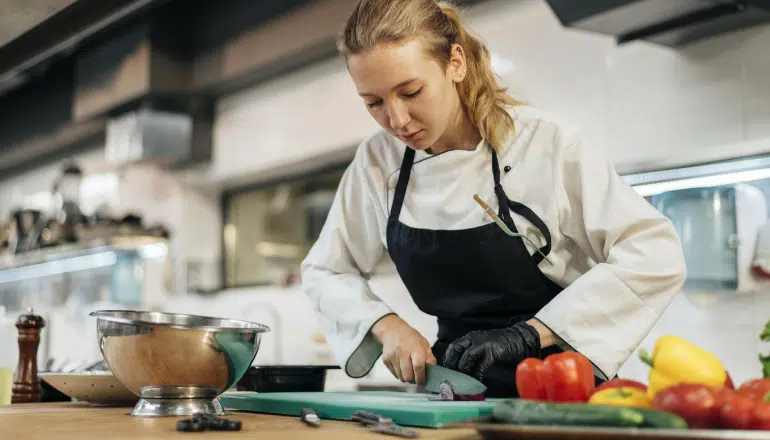
Furthermore, surfaces, cutting boards, and utensils must be cleaned and sanitized before and after each task, particularly after handling raw meat, poultry, seafood, or eggs. Cross-contamination often begins with a dirty surface.
2. Separate: Avoid Cross-Contamination
Cross-contamination occurs when bacteria are transferred from one food item (often raw meat) to another (like ready-to-eat produce). This is a silent danger that can be easily overlooked. To prevent it:
- Use separate cutting boards and utensils for raw meat/poultry and for produce/ready-to-eat foods. If using the same board, thoroughly wash and sanitize it in between.
- Store raw meats on the bottom shelf of the refrigerator, below ready-to-eat foods. This prevents juices from dripping onto and contaminating other items.
- Never place cooked food back on a plate that previously held raw meat.
3. Cook: Cook to the Right Temperature
Heat is a powerful tool for killing harmful bacteria. Ensuring that food reaches a safe internal temperature is non-negotiable. The only reliable way to confirm this is by using a food thermometer. Guessing the temperature by color or texture is insufficient and dangerous.
Safe minimum internal temperatures vary:
- Poultry (Chicken, Turkey): $165^\circ \text{F}$ ($74^\circ \text{C}$)
- Ground Meat (Beef, Pork): $160^\circ \text{F}$ ($71^\circ \text{C}$)
- Beef, Veal, Lamb Roasts and Steaks: $145^\circ \text{F}$ ($63^\circ \text{C}$) with a three-minute rest time.
- Fish and Shellfish: $145^\circ \text{F}$ ($63^\circ \text{C}$)
4. Chill: Refrigerate Promptly
The Temperature Danger Zone is between $40^\circ \text{F}$ and $140^\circ \text{F}$ ($4^\circ \text{C}$ and $60^\circ \text{C}$). In this range, bacteria can double in number in as little as 20 minutes. Therefore, the goal is to minimize the time food spends within this zone.
- Refrigerate perishable foods within two hours of cooking or purchasing. If the ambient temperature is above $90^\circ \text{F}$ ($32^\circ \text{C}$), refrigerate within one hour.
- Thaw frozen food safely: in the refrigerator, in cold water (changing the water every 30 minutes), or in the microwave (but cook immediately afterward). Never thaw food on the counter.
Beyond the Basics: High-Risk Scenarios and Ingredients
Certain foods and practices require an elevated level of caution. Eggs, for instance, should always be handled with care due to the potential for Salmonella. Use pasteurized eggs for recipes that require raw or undercooked eggs, such as homemade mayonnaise or Caesar dressing.
Produce must also be addressed. While often viewed as less risky than meat, fresh fruits and vegetables can be contaminated from soil, water, or handling. All produce must be rinsed thoroughly under running water, even if it is pre-washed or if you plan to peel it. The exterior of a melon, for example, can transfer bacteria to the edible flesh when cut.
Furthermore, managing allergens is a critical component of culinary health safety. Chefs must have clear protocols for preventing cross-contact between allergenic ingredients (like nuts, shellfish, or gluten) and dishes intended for allergic customers. This requires separate utensils, cooking surfaces, and meticulous attention to ingredient labels.
Conclusion
Culinary health safety is the silent promise a cook makes to their guests. It is an ongoing commitment to diligence, education, and precision that transforms the kitchen into a safe environment. By diligently practicing the “Big Four”—Clean, Separate, Cook, and Chill—and applying caution to high-risk ingredients, culinary professionals and home cooks affirm that their passion for creating delicious food is matched by their dedication to serving it safely. The invisible ingredient of safety ensures that every dish served is not only a masterpiece of flavor but a guarantee of well-being, elevating the entire dining experience.