In the vast world of poultry farming and avian biology, few topics are as shrouded in myth, misunderstanding, and folklore as the concept of the “rooster egg.” For centuries, rural communities and curious observers have whispered about the possibility of male chickens producing eggs. While modern science provides us with a very clear “no” on the matter, the cultural, historical, and biological footnotes associated with this phenomenon make for a fascinating deep dive.
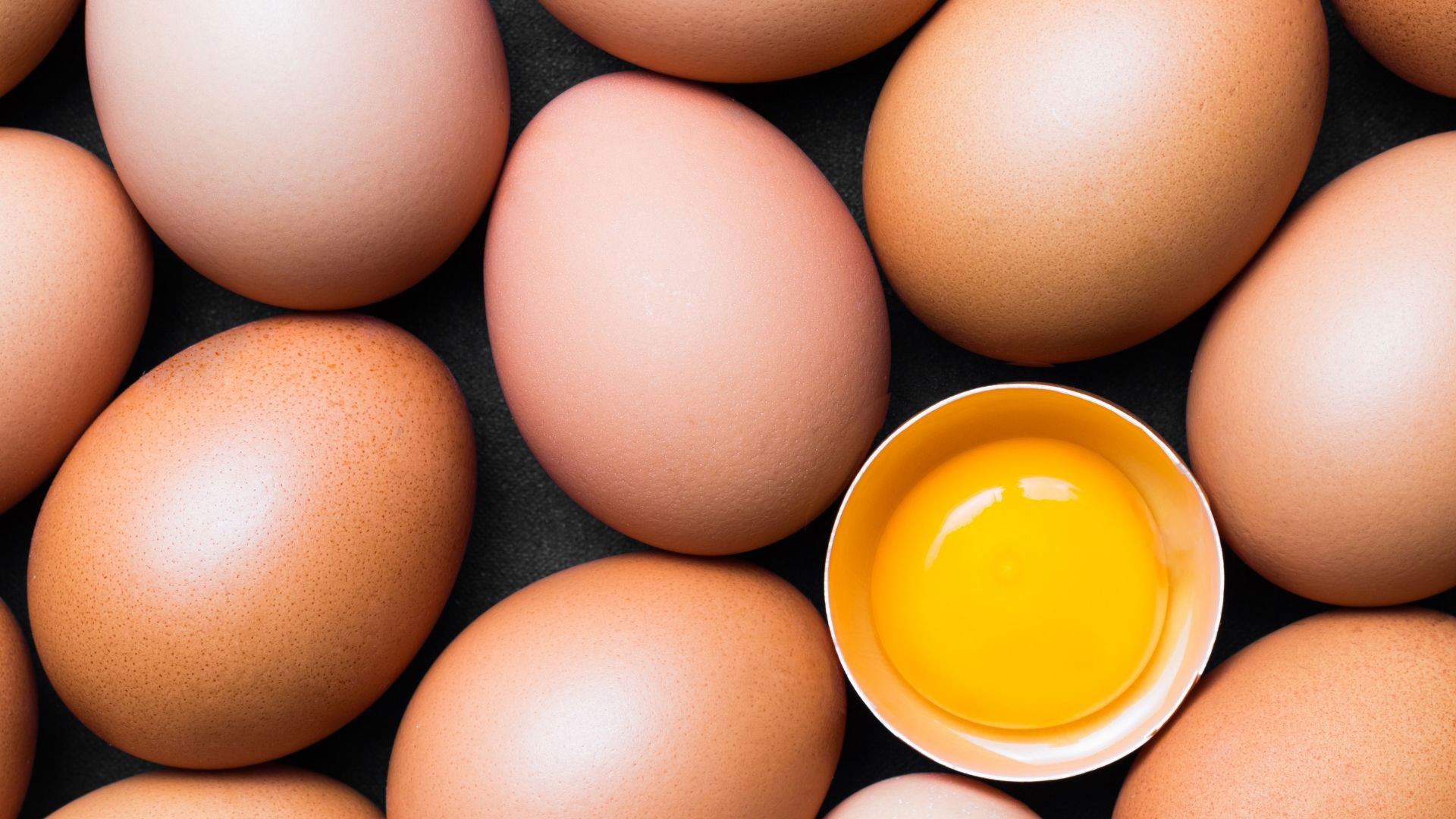
To understand rooster-egg-associated articles, one must look past the simple biology of the farmyard and explore the intersections of folklore, rare medical anomalies, and the history of natural science. This article examines why this myth persists, the rare biological conditions that mimic it, and the legendary creatures supposedly born from these impossible objects.
The Biological Reality: Why Roosters Do Not Lay Eggs
To ground our exploration in fact, we must first address the fundamental biological difference between a rooster (male) and a hen (female). The avian reproductive system is highly specialized. A hen is born with a finite number of ova (primitive eggs) in her ovary. Her body is equipped with an oviduct, a complex tube where the yolk is enveloped in albumen (egg white), membranes, and finally, a calcium carbonate shell.
A rooster, conversely, possesses testes located inside the abdominal cavity. His role in the reproductive cycle is strictly to provide genetic material. He lacks the physiological machinery—the ovary and the oviduct—required to manufacture an egg. Therefore, in the standard biological world, a rooster egg is a physical impossibility.
The Myth of the Cockatrice: Folklore and the “Cock’s Egg”
If roosters cannot lay eggs, where did the term “rooster egg” come from? The answer lies in medieval folklore and the legend of the Cockatrice and the Basilisk.
During the Middle Ages, it was widely believed that a rooster that had reached seven or nine years of age could, under specific planetary alignments or occult conditions, lay a small, yolkless egg. Legend stated that if this egg were incubated by a toad or a serpent, it would hatch into a Cockatrice—a fearsome creature with the head of a rooster and the body of a dragon, capable of killing with a single glance.
These “cock’s eggs” were described as small, misshapen, and lacking a proper shell or yolk. In reality, what people were seeing were likely “wind eggs” or “fart eggs” laid by young hens or older hens with reproductive issues. Because these tiny eggs looked so different from a standard egg, they were attributed to the male of the species, fueling centuries of superstition.
The “Wind Egg” Phenomenon: Misidentifying the Source
Most articles discussing rooster eggs are actually describing “Fart Eggs” (also known as wind eggs, fairy eggs, or dwarf eggs). These are small eggs that contain no yolk.
How They Are Formed
An egg typically forms when an ovary releases a yolk into the oviduct. However, occasionally, the hen’s oviduct is triggered by a piece of reproductive tissue, a small blood clot, or a hormonal glitch. The body treats this “intruder” as a yolk and begins wrapping it in egg white and a shell.
Because these eggs are significantly smaller than average—sometimes no larger than a marble—and contain no yolk, historical observers often concluded they could not have come from a hen. In a search for an explanation, the rooster became the scapegoat.
Biological Anomalies: Gynandromorphism and Spontaneous Sex Reversal
While a standard rooster cannot lay an egg, there are rare biological articles that discuss “roosters” that seemingly perform the impossible. These are usually cases of spontaneous sex reversal or bilateral gynandromorphism.
- Spontaneous Sex Reversal: This is a documented biological event in poultry. A hen typically has only one functional left ovary. If that ovary becomes diseased or damaged, the dormant right gonad may develop. Curiously, in birds, this dormant gonad can develop into an “ovotestis,” which may produce testosterone. The hen begins to develop male plumage, starts crowing, and acts like a rooster. If a farmer sees a “rooster” (that was previously a hen) laying an egg, it creates the illusion of a male laying eggs.
- Bilateral Gynandromorphs: This is an extremely rare condition where a bird is genetically half-male and half-female, split right down the middle. One side of the bird has male characteristics (a larger wattle and spur), while the other side is female. In some cases, these birds possess both a testis and an ovary, leading to confusing observations in a flock.
The Cultural Legacy of the “Rooster Egg”
Today, the term is still used in various cultural contexts. In some parts of the world, finding a tiny, yolkless egg is considered a sign of good luck, while in others, it is a bad omen. In the world of antique collecting, “cock’s eggs” (often made of stone or glass) were used as decorative items or “nest eggs” to encourage hens to lay in specific boxes.
Modern poultry articles also use the term to discuss hormonal imbalances in flocks. When a rooster begins to show nesting behavior, it is often a sign of an environmental stressor or a rare genetic fluke, though it almost never results in an actual egg.
Conclusion
The story of the rooster egg is a perfect example of how human imagination fills the gaps left by a lack of scientific data. What began as a misunderstanding of reproductive glitches in hens evolved into terrifying legends of monsters and omens.
In reality, there are no rooster eggs—only the fascinating “wind eggs” of hens and the rare, complex biological shifts of gynandromorphic birds. By studying these articles, we gain insight into both the complexity of avian biology and the enduring power of rural myth. While the rooster may never provide breakfast, he remains an essential part of the farm’s story, guarding the hens that produce the true miracles of the coop.
Would you like me to research a guide on how to identify different types of “shell defects” in eggs and what they tell you about a hen’s health?