In the world of herbal infusions, few beverages are as visually striking or as vibrantly flavored as Rosella tea. Derived from the dried calyces of the Hibiscus sabdariffa plant, this deep-red infusion—often referred to as Hibiscus tea, Karkade. or Sorrel—has been a staple in traditional medicine across Africa, Asia, and the Caribbean for centuries. Today, as modern science catches up with ancient wisdom, the Rosella flower is being recognized as a true nutritional powerhouse.
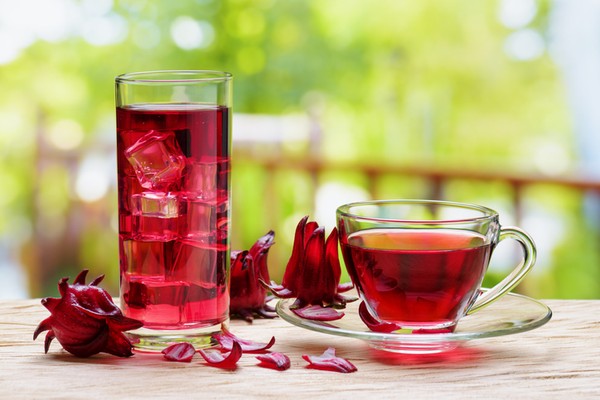
Known for its tart, cranberry-like flavor and its brilliant ruby hue. Rosella tea is far more than just a refreshing caffeine-free alternative to traditional tea. It is a concentrated source of antioxidants, vitamins. And minerals that can provide transformative benefits for the heart, the liver, and the immune system. In this article, we delve into the science-backed advantages of incorporating this “crimson elixir” into your daily wellness routine.
A Powerhouse of Antioxidants and Vitamin C
One of the primary reasons Rosella tea has earned its reputation. As a superfood beverage is its exceptionally high antioxidant content. The flower is rich in anthocyanins—the same plant pigments found in blueberries and blackberries—which give the tea its intense red color.
Antioxidants are essential for the body as they neutralize free radicals. which are unstable molecules that cause oxidative stress and damage to our cells. Chronic oxidative stress is linked to a variety of conditions, including premature aging, heart disease, and certain types of cancer. Furthermore, Rosella is an abundant source of Vitamin C (ascorbic acid). A single cup can provide a significant boost to your immune system. Helping the body fight off common colds and infections while promoting the production of collagen for healthy skin and tissues.
Supporting Cardiovascular Health and Blood Pressure
Perhaps the most well-documented benefit of Rosella flower tea is its impact on heart health. Numerous clinical studies have suggested that regular consumption of Rosella tea. Can act as a natural vasodilator, helping to lower blood pressure in individuals with mild to moderate hypertension.
The compounds in Rosella appear to work similarly to some pharmaceutical blood pressure medications by inhibiting the Angiotensin-Converting Enzyme (ACE). By relaxing the blood vessels, the tea allows blood to flow more easily, thereby reducing the strain on the heart. Additionally, Rosella tea has been shown to help balance lipid profiles. Regular drinkers often see a reduction in “bad” LDL cholesterol. And triglycerides, along with a modest increase in “good” HDL cholesterol. This dual action—lowering blood pressure and improving cholesterol—makes it a formidable ally in the prevention of cardiovascular disease.
Weight Management and Metabolic Support
For those looking to manage their weight or improve their metabolic health, Rosella tea may offer significant support. Some research indicates that hibiscus extract can interfere with the production of amylase, an enzyme that breaks down complex sugars and starches. By slowing this process, the tea may help reduce the absorption of carbohydrates, preventing sharp spikes in blood sugar and aiding in weight loss efforts.
Moreover, Rosella tea is a natural diuretic. It helps the body flush out excess salt and water, which can reduce bloating and help regulate kidney function. Because it is naturally calorie-free (when consumed without added sugar) and has a bold, satisfying flavor, it serves as an excellent substitute for sugary sodas and juices, helping to reduce overall caloric intake without sacrificing the pleasure of a flavorful drink.
Liver Protection and Digestive Health
The liver is the body’s primary detoxification organ, and the antioxidants found in Rosella flower tea have been shown to provide hepatoprotective effects. Studies suggest that the polyphenols in the tea can help reduce liver fat accumulation (steatosis) and protect the organ from chemical damage. By reducing inflammation in the liver, Rosella supports the body’s natural ability to filter toxins and process nutrients.
In terms of digestion, the tea has mild cooling and anti-inflammatory properties that can soothe the digestive tract. In many cultures, Rosella tea is consumed after meals to aid digestion and prevent constipation. Its natural diuretic properties also assist in maintaining healthy urinary tract function, reducing the risk of infections.
Psychological Benefits: A Natural Way to Unwind
Beyond the physical benefits, the ritual of brewing and sipping Rosella tea can have a positive impact on mental well-being. Unlike black or green tea, Rosella is naturally caffeine-free, making it an ideal beverage for any time of day, including late evening.
In some traditional practices, Rosella is believed to have mild sedative properties that can help alleviate symptoms of anxiety and restlessness. The presence of flavonoids and vitamins can contribute to a more balanced nervous system. Sitting down with a steaming cup of ruby-red tea provides a moment of mindfulness, helping to lower stress levels and promote a sense of calm in a busy world.
How to Prepare and Enjoy Rosella Tea
To maximize the benefits of Rosella, it is best to use dried whole calyces rather than pre-packaged tea bags. Simply steep about two tablespoons of dried flowers in hot water for 5 to 10 minutes. The longer you steep, the more tart and potent the infusion becomes.
You can enjoy it hot during the winter months or iced with a slice of lime and a sprig of mint for a perfect summer cooler. To balance the tartness, a small amount of honey or stevia can be added, though drinking it plain allows you to fully experience its natural, refreshing acidity.
Conclusion
The Rosella flower is a remarkable gift from nature, offering a rare combination of sensory delight and profound medicinal value. From protecting the heart and liver to boosting the immune system and aiding in weight management, its benefits are as vast as its history. While it should not replace medical treatment for serious conditions like chronic hypertension, it is an excellent, evidence-based addition to a proactive health regimen.
By swapping just one sugary or caffeinated beverage a day for a cup of Rosella tea, you are nourishing your body with a centuries-old remedy that continues to stand the test of time. It is, quite simply, health in a cup.
Would you like me to research and provide a list of potential contraindications or precautions for specific individuals, such as pregnant women or those on certain medications, regarding Rosella tea?